The Quarterly Keyword Refresh Cycle: How to Catch Ranking Declines Before They Compound
Ranking declines become visible in position-tracking tools 4 to 6 weeks after they first appear in impression data.
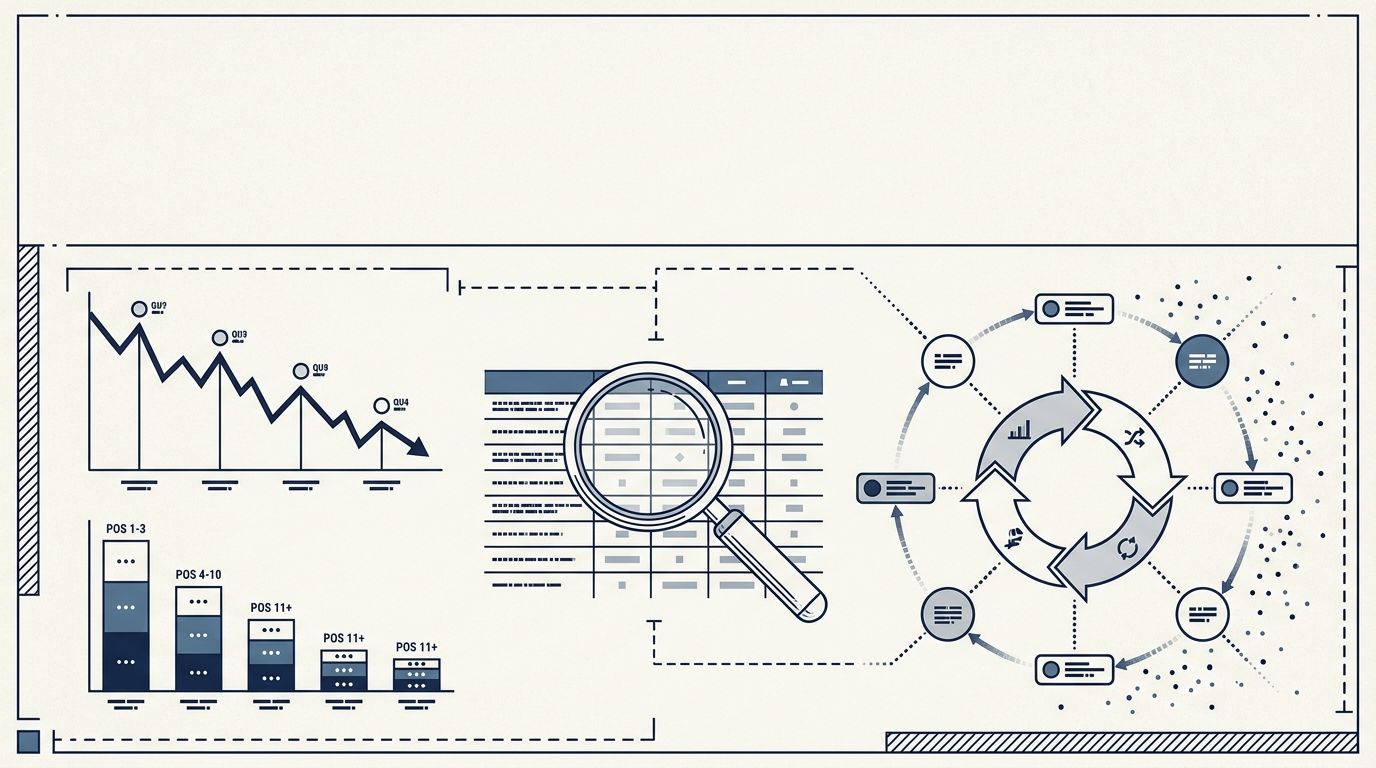
The Quarterly Keyword Refresh Cycle: How to Catch Ranking Declines Before They Compound
Ranking declines become visible in position-tracking tools 4 to 6 weeks after they first appear in impression data. The 90-day keyword refresh cycle, the default cadence recommended across SEO playbooks, structurally guarantees that roughly half of each quarter's deterioration compounds before anyone reviews the numbers.
The Blind Spot in Quarterly Position Tracking
Google Search Console impression data shows early-warning signals of ranking decay that position trackers miss entirely. When a page starts losing relevance for a query, Google first reduces the number of searches where it displays your URL. Positions may hold steady at, say, rank 7 for weeks while impressions quietly erode 15%, 20%, 30%. By the time your rank-tracker shows a drop from position 7 to position 14, the underlying problem has been active for over a month.
This 4-to-6-week lag creates a specific problem for teams who rely on quarterly SEO audits as their primary detection mechanism. A decline that begins in week 2 of a quarter won't surface in position data until week 6 or 7, leaving only 5 to 6 weeks before the next scheduled review. But that's the optimistic case. A decline that starts in week 8 of the quarter won't register in rankings until week 12 or later, meaning it rolls silently into the next cycle.
DashThis's 2026 SEO tracking guide recommends weekly monitoring of keyword rankings, organic traffic trends, and sudden performance drops to detect technical issues or algorithm impacts quickly. Weekly ranking checks help, but the critical insight is that weekly impression checks catch problems that weekly ranking checks still miss.
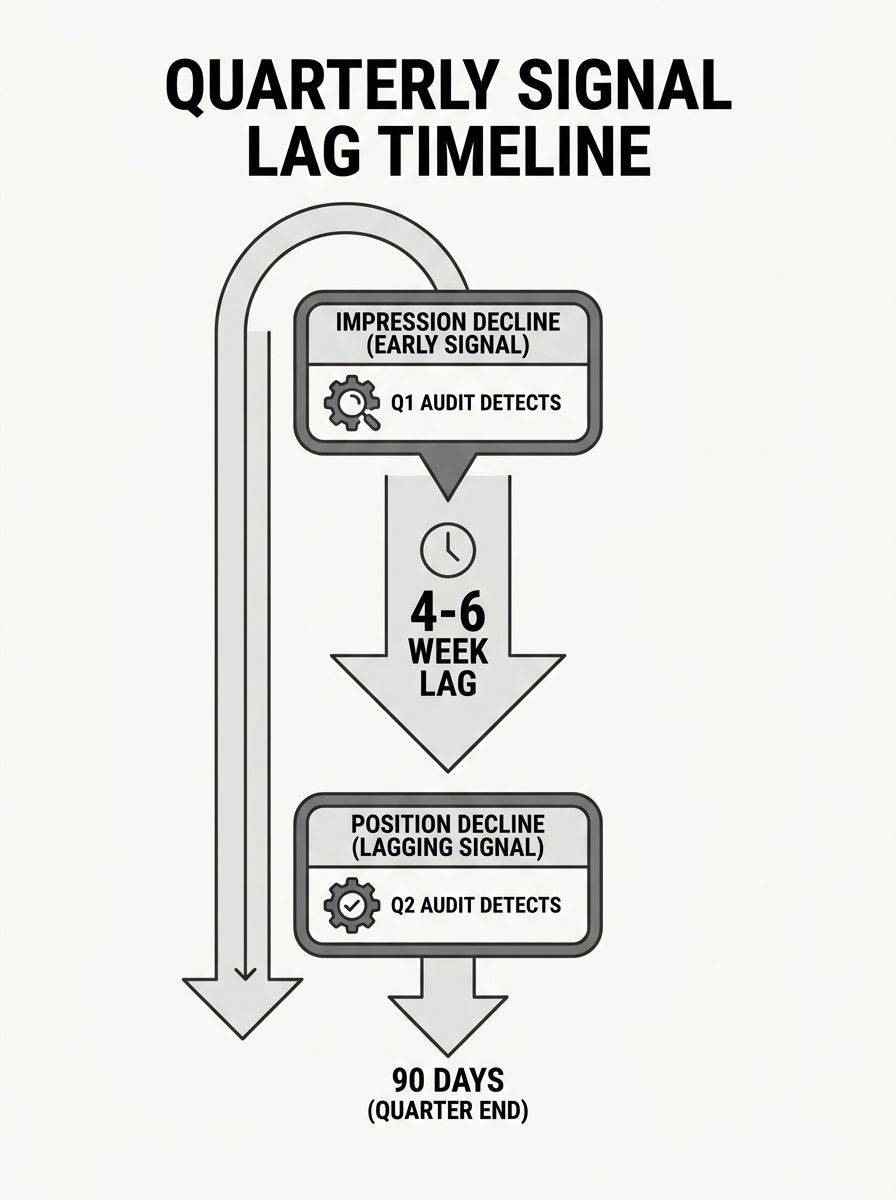
The practical implication: any keyword ranking monitoring schedule that waits 90 days to review impression trends will miss the first half of most declines. And the compounding nature of ranking loss (fewer impressions lead to fewer clicks, which reduces engagement signals, which accelerates the decline) means that early weeks of decay are cheaper to fix than later weeks.
Why Intent Shifts Run on a 30-Day Clock
Search intent classifications now refresh on approximately 30-day cycles in Google's systems. A query that returned 8 informational results and 2 transactional results in January can flip to 5 transactional and 5 informational by February if enough users demonstrate purchase-oriented behavior. Your perfectly written informational guide, still ranking on page one, starts serving the wrong audience.
This 30-day intent refresh cycle is the primary driver of what looks like a "sudden" traffic drop in quarterly reports. The drop wasn't sudden. It accumulated across 2 or 3 monthly intent shifts that went unmonitored. As we've covered when discussing intent mismatch hiding behind seemingly strong rankings, pages can hold position while delivering increasingly poor traffic quality, an early indicator of eventual ranking loss.
"Campaigns should be audited at least monthly to weed out irrelevant traffic and avoid terms with very high costs that aren't resulting in conversions," says Hazlett of HawkSEM in their keyword audit guide. The same principle applies to organic: monthly intent verification catches shifts that quarterly-only review cannot.
The keyword.com framework, referenced in our 90-day re-audit process, recommends identifying your previous season's top-performing pages as the starting point for every quarterly audit. The logic: pages that were strong and now aren't are where the signal lives. But if you only check this list every 90 days, you're identifying the corpses rather than treating the patients.
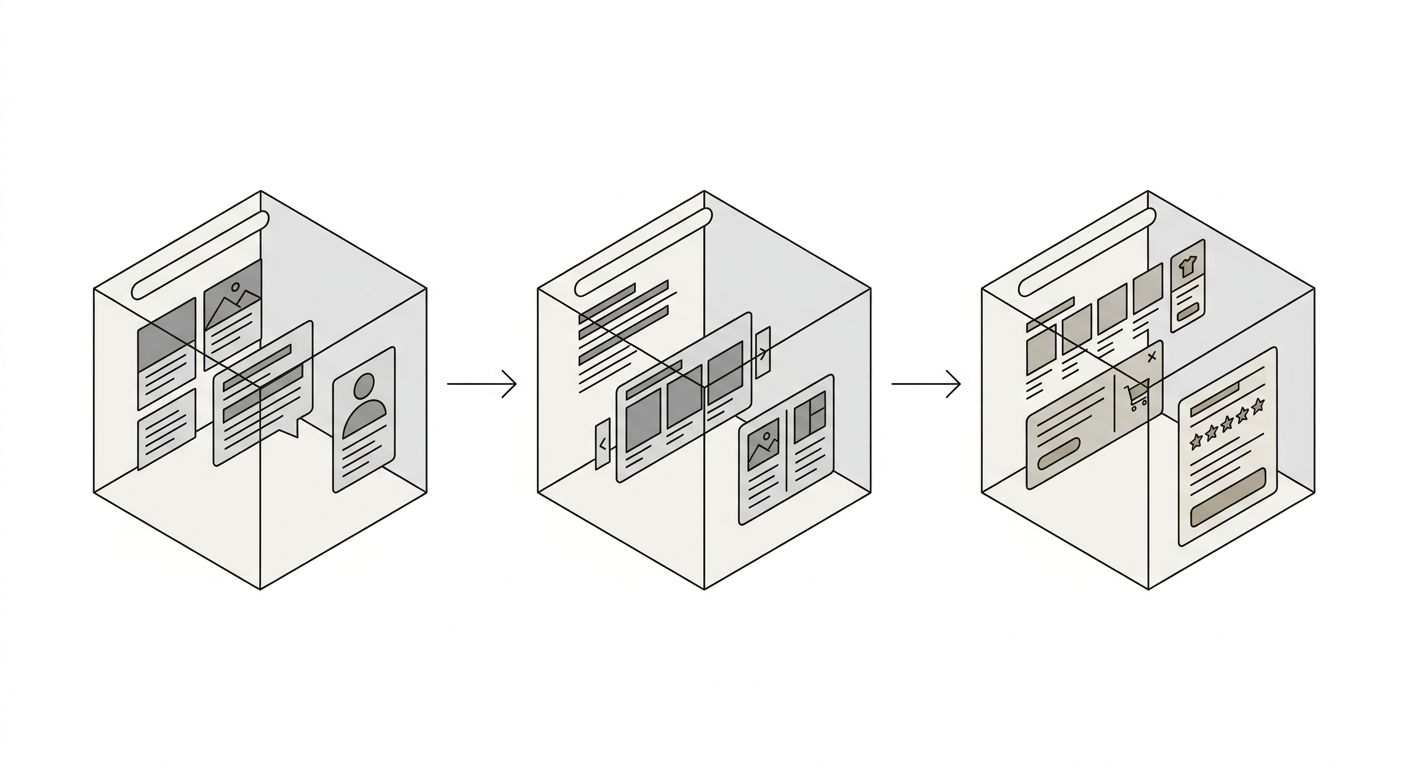
Three-Category Triage Separates Signal from Noise
Raw ranking data is noisy. A page that drops from position 4 to position 9 could be experiencing seasonal regression, structural decay, or competitor displacement, and each requires a completely different response. The triage step that most organic traffic decline diagnosis skips is categorization before action.
The three categories work as follows. Seasonal pages are those following a documented pattern you can verify in year-over-year data. A "best winter coats" page dropping 35% in April isn't decaying. It needs only date and statistic updates 6 to 8 weeks before next year's peak, per KeyGroup's seasonal search trends guide. Structural decay pages show declining impressions and declining positions with no seasonal explanation, signaling that Google's understanding of the query has shifted or competitors have published stronger content. These require content restructuring: new sections, updated data, potentially a revised title and meta description. Durable pages are holding steady or growing. They serve as replication models, showing you what Google currently rewards in your vertical.
Seer Interactive's diagnostic framework identifies 7 common causes of organic traffic drops, ranging from algorithm updates to technical indexing issues, and recommends using Google Analytics, Google Search Console, and AI visibility tools to diagnose each one. But diagnosis without categorization leads to a common failure mode: treating seasonal dips with the same urgency as structural decay, burning hours on content that would have recovered on its own.
Hazlett of HawkSEM reinforces this point: "It's still important to review in case irrelevant or low-quality terms are being triggered by phrase match (or broad match if you're using it)." The audit isn't just about finding drops. It's about understanding why each drop happened, which determines whether the correct response is a content rewrite, a keyword swap, or doing nothing at all.
This three-category triage approach pairs well with systematic debugging workflows for diagnosing visibility drops, where the goal is structured diagnosis rather than reactive content churn.
The 7-30-90 Monitoring Stack
The argument against quarterly-only audits doesn't mean quarterly audits are useless. It means they're one layer in a stack. The 7-30-90 Stack distributes monitoring effort across three time horizons, each with a distinct purpose and a distinct data source.
Cadence | Focus | Primary Data Source | Action Threshold | Time Required |
|---|---|---|---|---|
Weekly (7-day) | Impression trends, crawl errors, index coverage | Google Search Console | Impressions drop more than 20% for any tracked keyword cluster | 15-20 minutes |
Monthly (30-day) | Intent alignment, SERP composition, competitor movement | Manual SERP review plus rank tracker | SERP format shift (e.g., informational to transactional) for 3 or more keywords in a cluster | 1-2 hours |
Quarterly (90-day) | Three-category triage, content refresh prioritization, keyword list expansion | GSC plus analytics plus keyword research tools | Full re-audit of all tracked keywords, comparison of quarter-over-quarter and year-over-year performance | 4-8 hours |
The weekly layer is the early-warning system. You're spending 15 to 20 minutes scanning for impression drops that cross the 20% threshold. If nothing crosses that line, you move on. If something does, you escalate to a manual SERP inspection that same week, not 60 days later when the quarterly audit rolls around.
The monthly layer catches intent shifts. Pull up your top 20 to 30 keyword targets, search them manually (or use SERP snapshots from your tracking tool), and compare the current result types against what you saw 30 days ago. When you spot 3 or more keywords in a cluster shifting intent, that's your signal to evaluate whether your content still matches what Google is rewarding.
The quarterly layer is the structural audit. This is where you run the full three-category triage, update your keyword target list, retire keywords that no longer align with your content strategy, and plan content refreshes for the coming 90 days. The quarterly audit's value increases because the weekly and monthly layers have already flagged and addressed acute problems, leaving the quarterly session free for strategic work.
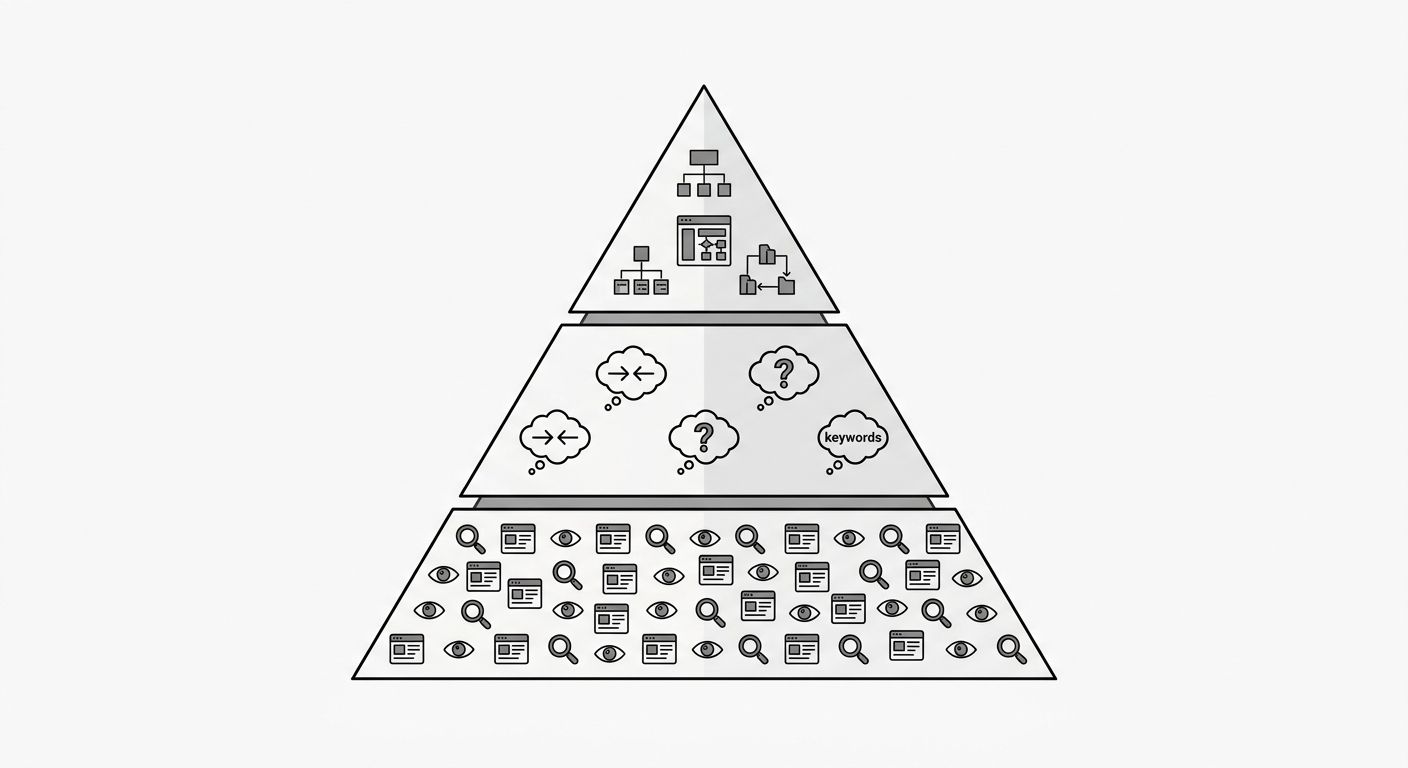
This layered approach to keyword refresh cadence in 2026 accounts for the reality that Google's systems update intent signals monthly, not quarterly. Treating the quarterly audit as your only checkpoint is like checking your bank balance every 90 days and hoping no fraud occurred in between.
Where This Leaves the 90-Day Playbook
The quarterly keyword refresh cycle isn't wrong. It's incomplete. The 90-day deep audit remains the right cadence for strategic work: full keyword list review, competitive gap analysis, content calendar planning, and mapping research to site architecture. That kind of analysis requires uninterrupted time and a broad dataset, and doing it more frequently than quarterly creates diminishing returns.
But the 90-day cycle was designed for an era when SERPs changed slowly enough that quarterly snapshots captured the important movements. Intent classifications shifting every 30 days, impression data revealing decay 4 to 6 weeks before position data, and algorithm updates landing multiple times per quarter have all compressed the window in which ranking declines can be caught cheaply. By the time a strict quarterly audit detects a problem, the compounding has already made the fix more expensive.
The 7-30-90 Stack addresses this by putting the lightweight, high-frequency checks (weekly impressions, monthly intent) where they catch problems early, and reserving the heavyweight quarterly audit for the strategic decisions it was built for. Total additional time investment: roughly 2 to 3 hours per month across the weekly and monthly layers. The payoff is catching a 20% impression decline in week 2 instead of week 12, when the ranking loss has already cascaded into traffic loss, conversion loss, and a content rewrite that could have been a paragraph update.
OrganicSEO.org Editorial
Editorial team writing about Ethical, white-hat, organic SEO education.
Related Articles
The Keyword Research Refresh Trap: When Continuous Monitoring Beats Quarterly Audits
Quarterly keyword audits leave a 90-day blind spot where ranking positions erode, search intent shifts, and competitors claim territory unchecked. Continuous keyword monitoring SEO workflows detect drift within days, giving teams time to respond before traffic loss compounds.
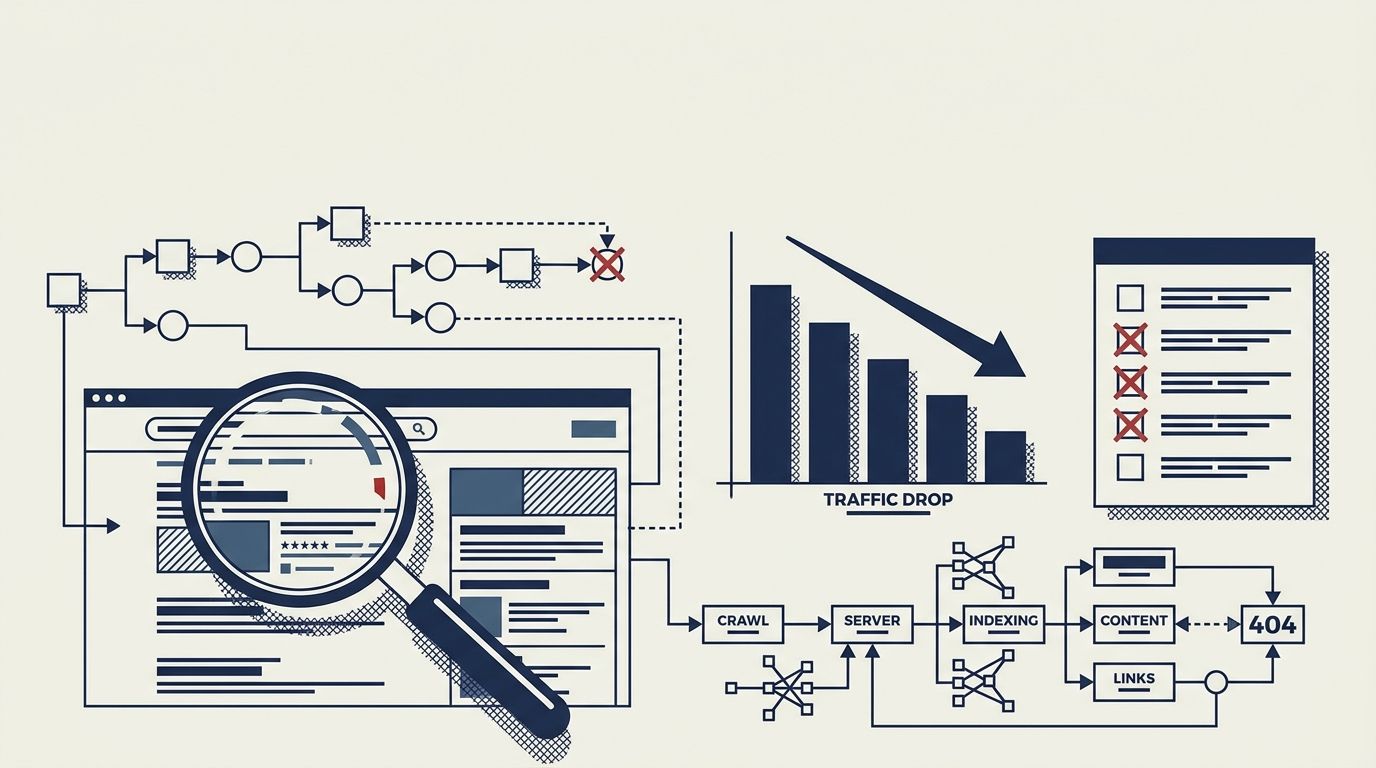
The SEO Debugging Checklist: How to Diagnose Visibility Drops Systematically (Not Frantically)
Diagnosing organic traffic drops requires a bottom-up diagnostic sequence through five layers: Crawl, Render, Index, Rank, and Click. Fixing lower layers first prevents wasted hours rewriting content that Google never crawled in the first place.

The Keyword Research Tool Budget Trap: How Much Data Do You Actually Need to Rank?
Ahrefs charges $129/month at its entry tier. Semrush starts at $139.95/month. Running both alongside a content optimization tool pushes monthly spend past $350 before you factor in annual commitments.