Keyword Intent Mismatch: How to Spot When Your Rankings Hide Poor Traffic Quality
Pages ranking on page one for target keywords convert at roughly 3% on average, but pages with strong keyword intent alignment push past 5%, per Grow and Convert's conversion data. The gap between those numbers is where intent mismatch hides, and three detection methods exist to find it.

Keyword Intent Mismatch: How to Spot When Your Rankings Hide Poor Traffic Quality
Pages ranking on page one for target keywords convert at roughly 3% on average, but pages with strong keyword intent alignment push past 5%, per Grow and Convert's conversion data. The gap between those numbers is where intent mismatch hides, and three detection methods exist to find it.
The uncomfortable truth about search intent mismatch detection is that no single method catches every type of misalignment. A SERP audit won't tell you that your pricing page attracts tire-kickers. GA4 engagement data won't explain why users bounce. Conversion tracking won't alert you until the damage compounds for weeks. Each approach has a different detection speed, a different data requirement, and a different skill ceiling. Picking the wrong one means you find the mismatch too late, or you find the wrong mismatch entirely.
If you've already done the work to build a search intent map across your site, these detection methods tell you where that map has drifted out of alignment. If you haven't mapped intent yet, the audit methods below will show you why that step matters.
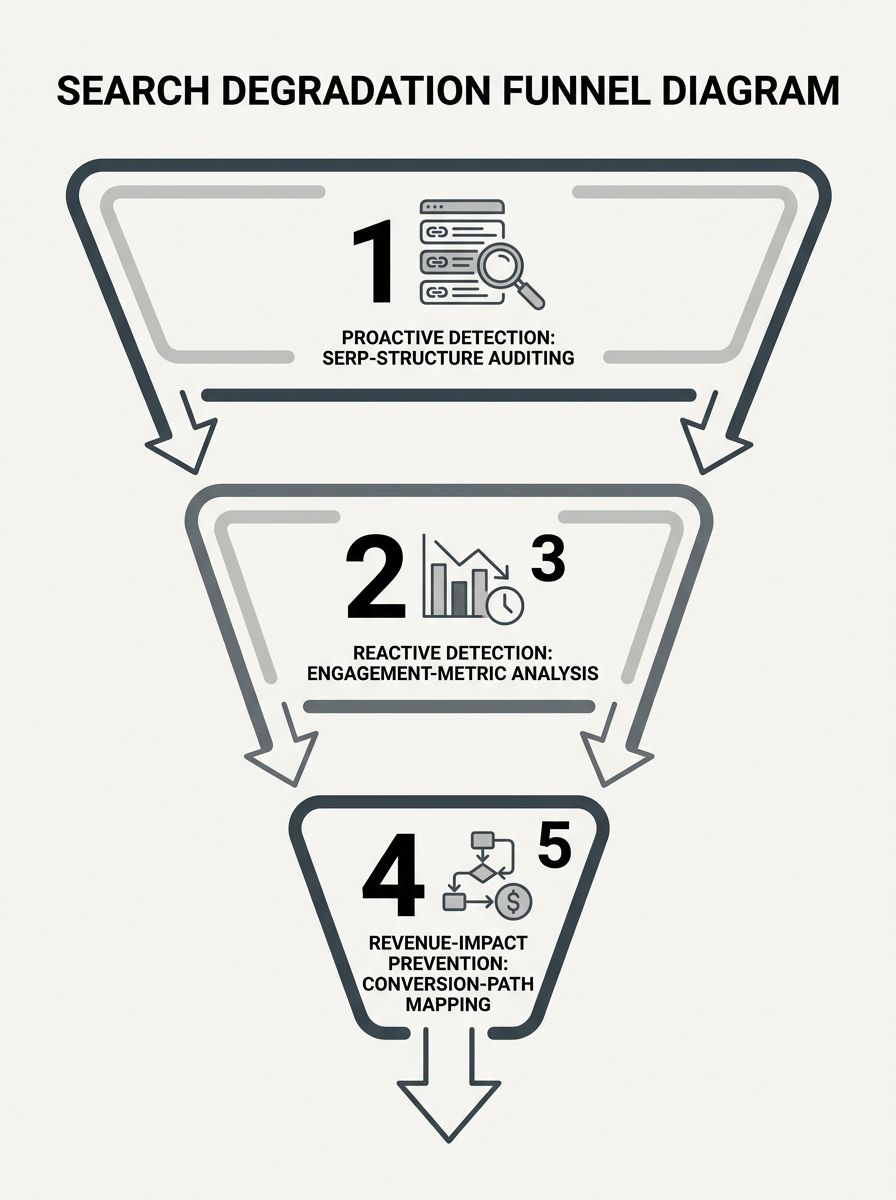
SERP-Structure Auditing Catches the Mismatch Fastest
Why does this method work before the others? Because Google's SERP layout is a real-time signal of what format users actually want. If the top 5 results for your keyword are comparison tables and your page is a 3,000-word essay, the mismatch exists before a single user clicks. According to analysis from Rankdots, restructuring a text-heavy guide into a modular format that satisfies current fractional intents increased average monthly organic views by 106%. The format gap is measurable, and fixing it produces large recoveries.
Here's how to run this audit. Pull your top 50 ranking keywords from Search Console. For each keyword, open the SERP and document the dominant content format: is Google showing listicles, comparison matrices, video carousels, product pages, or step-by-step tutorials? Then compare that format against what your page actually delivers. A mismatch on more than 30% of your top keywords indicates systemic low-intent keyword traffic flowing to your site through pages that rank well but serve the wrong shape of content.
The tradeoff with SERP-structure auditing is labor. This method requires manual SERP inspection or a tool like Keyword Insights that identifies areas where your site ranks with mismatched content types. Automated classification saves hours, but the tools classify based on SERP features and URL patterns, which can miss nuanced format shifts. A page might match the "right" type (blog post vs. blog post) but still serve the wrong depth, structure, or interactive elements.
When SERP-Structure Auditing Falls Short
This method is blind to user behavior after the click. Your page might match the SERP format perfectly and still produce zero conversions because the keyword itself carries no purchase intent. A well-formatted comparison article ranking #2 for "CRM features list" matches the SERP structure, but the query attracts researchers, not buyers. You won't catch that with format analysis alone. The semantic neighborhood of a keyword matters as much as its SERP format, and as Search Engine Zine's analysis notes, if the semantic neighbors of your keyword include terms like "user psychology" and "predictive analytics" and your content ignores them, you're mathematically distant from the intent even with correct formatting.
Engagement Metrics Tell You the Mismatch Already Happened
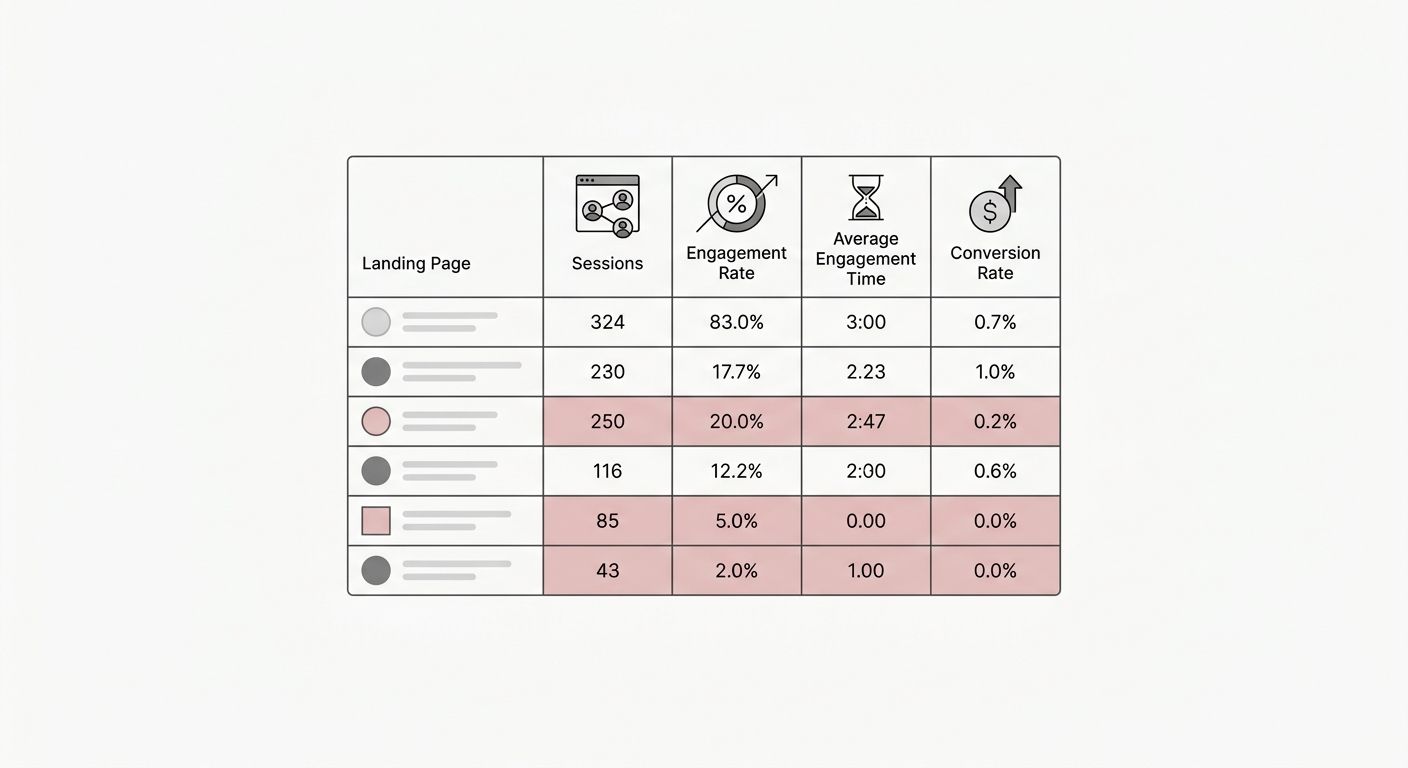
Content that fails to align with what the user actually wanted produces engagement rates below 25% and average engagement times under 45 seconds. GA4 and Search Console surface these signals clearly, but they're lagging indicators. By the time engagement data shows the problem, users have already bounced, and Google's ranking systems are already processing those behavioral signals.
Start with Search Console's performance report. Filter for queries where your impressions exceed 1,000 per month but click-through rate sits below 2%. These are keywords where Google shows your page frequently but users skip it, which is a strong indicator that your title and description signal a different intent than what the user wants. Then cross-reference in GA4: for pages where organic sessions exceed 500 per month, flag any page with average engagement time under 40 seconds or engagement rate below 30%. Those two thresholds, used together, identify pages where users arrive and leave without interacting.
If you've set up proper attribution in GA4 and GSC, you can slice this data by landing page and organic keyword simultaneously. That pairing shows you which specific keywords drive the low-engagement sessions, separating intent mismatches from general content quality problems.
The strength of engagement-based detection is accessibility. Every site with GA4 and Search Console installed can run this analysis in under an hour. The weakness is diagnosis. Engagement metrics tell you that a mismatch exists but rarely tell you what kind. Low engagement time could mean wrong format, wrong depth, wrong intent cluster, slow page load, or a dozen other causes. You'll need to pair this method with at least one other to move from detection to correction.
The Brand Reputation Blind Spot
As practitioners in the SEO community have documented, you can outrank competitors and still see lower click-through rates due to brand reputation, company naming issues, or perceived authority gaps. Engagement-metric detection will flag these pages as mismatches, but the root cause has nothing to do with keyword intent alignment. Before you rewrite content based on engagement data, rule out brand and trust factors first.
Conversion-Path Mapping Shows the Revenue Damage
This method answers the question that matters most to stakeholders: are organic visitors generating pipeline? Directive's analysis of this problem is blunt: teams chase metrics they can influence, like rankings and traffic, instead of metrics that matter, like qualified pipeline and revenue. Conversion-path mapping is where ranking without conversions becomes visible in dollar terms.
Set up conversion-path analysis by defining 3 to 5 meaningful actions in GA4: form submissions, demo requests, purchases, pricing page visits, and content downloads. Then segment organic traffic by landing page and measure what percentage of sessions from each page reach at least one of those actions. Pages with organic conversion rates below 1% on commercial keywords are candidates for intent mismatch. Pages with conversion rates above 5% on informational keywords are candidates for expanded investment.
The conversion-path approach requires more setup than the other two methods. You need properly configured GA4 events, clean UTM hygiene, and enough traffic volume per page to draw meaningful conclusions. Pages with fewer than 200 organic sessions per month produce conversion rate data that's too noisy to act on. And the method is entirely backward-looking: it catches mismatches only after they've already cost you leads or sales.
Where Conversion-Path Mapping Excels
This is the single best method for prioritizing which mismatches to fix first. If your SERP audit identifies 40 pages with format misalignment and your engagement metrics flag 25 pages with poor behavioral signals, conversion-path mapping tells you which 8 of those pages represent real revenue loss. For teams with limited bandwidth, that prioritization prevents wasted effort on pages that rank for low-intent keyword traffic with no commercial value regardless of format.
The method also connects to your CRM-based keyword intelligence. When you map conversion paths back to the keywords that initiated them, you identify which query clusters actually produce customers. That mapping often reveals that your highest-traffic keywords and your highest-converting keywords are different populations entirely.
How the Three Methods Stack Up
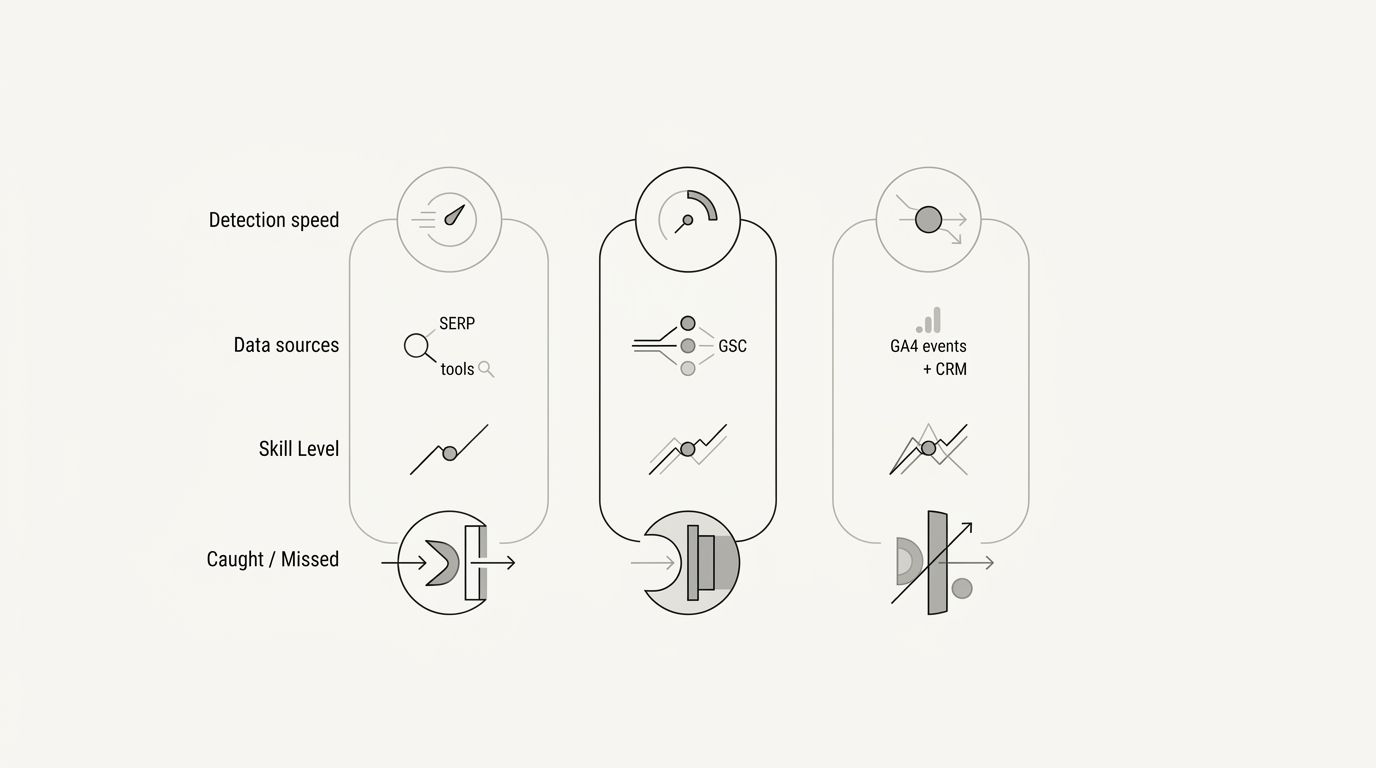
Attribute | SERP-Structure Auditing | Engagement-Metric Detection | Conversion-Path Mapping |
|---|---|---|---|
Detection timing | Proactive (before traffic loss) | Reactive (during traffic loss) | Lagging (after revenue loss) |
Data source | Live SERPs + ranking tools | GA4 + Search Console | GA4 events + CRM data |
Setup time | 2-4 hours for initial audit | Under 1 hour with existing GA4 | 4-8 hours including event config |
Minimum traffic needed | None (SERP-based) | 500+ organic sessions/page/month | 200+ organic sessions/page/month |
What it catches | Format and structure misalignment | Behavioral mismatch signals | Revenue impact of misalignment |
What it misses | Post-click behavior, brand factors | Root cause diagnosis | Proactive detection |
Best for | Content teams with editorial capacity | Sites with established GA4 setups | Teams reporting to revenue leadership |
Cost | Tool subscription + manual time | Free (GSC + GA4) | Free tools, significant config time |
Who Should Pick Which
The honest answer is that no single method is sufficient on its own, and the right combination depends on your team's constraints.
Sites with fewer than 5,000 organic sessions per month should start with SERP-structure auditing. You don't have enough engagement or conversion data to make the other two methods statistically reliable, and format-level mismatches are the fastest fixes available. That 106% organic view increase from restructuring content to match SERP formats? It happened because the fix is mechanical, not creative. Match the format, recover the traffic.
Sites with 5,000 to 50,000 organic sessions per month get the most value from combining engagement-metric detection with SERP auditing. Run the engagement analysis monthly to identify deteriorating pages, then use SERP audits to diagnose the specific format or intent shift causing the decline. This combination catches mismatches within 30 to 60 days of onset, which is fast enough to prevent significant ranking loss.
Sites above 50,000 organic sessions per month, especially those with sales teams or e-commerce checkout flows, should run all three methods on a rolling cadence. SERP audits quarterly, engagement analysis monthly, conversion-path reviews weekly. At this traffic level, the revenue impact of intent misalignment compounds quickly. A single high-volume page with a 2% conversion rate instead of a 5% rate on a commercial keyword can represent tens of thousands of dollars in lost pipeline per quarter.
The detection method you choose shapes what you see and what you miss. Pick based on your data maturity and your traffic volume, not based on which method sounds most sophisticated. And remember that intent itself shifts over time. A keyword that carried strong commercial intent 12 months ago can drift toward informational intent as the market matures and more educational content enters the SERP. Running detection as a one-time project catches today's mismatches. Running it as a recurring process catches the ones that haven't happened yet.
OrganicSEO.org Editorial
Editorial team writing about Ethical, white-hat, organic SEO education.
Related Articles

When Keyword Research Data Conflicts With Ranking Reality: The Intent-Volume Paradox
Every major keyword tool defaults to sorting results by search volume descending. That single UX decision has trained an entire generation of SEOs to build content around the metric least predictive of whether a page will actually rank, earn clicks, convert visitors, or hold its position over time.
How to Build a Search Intent Map for an Entire Site in One Afternoon
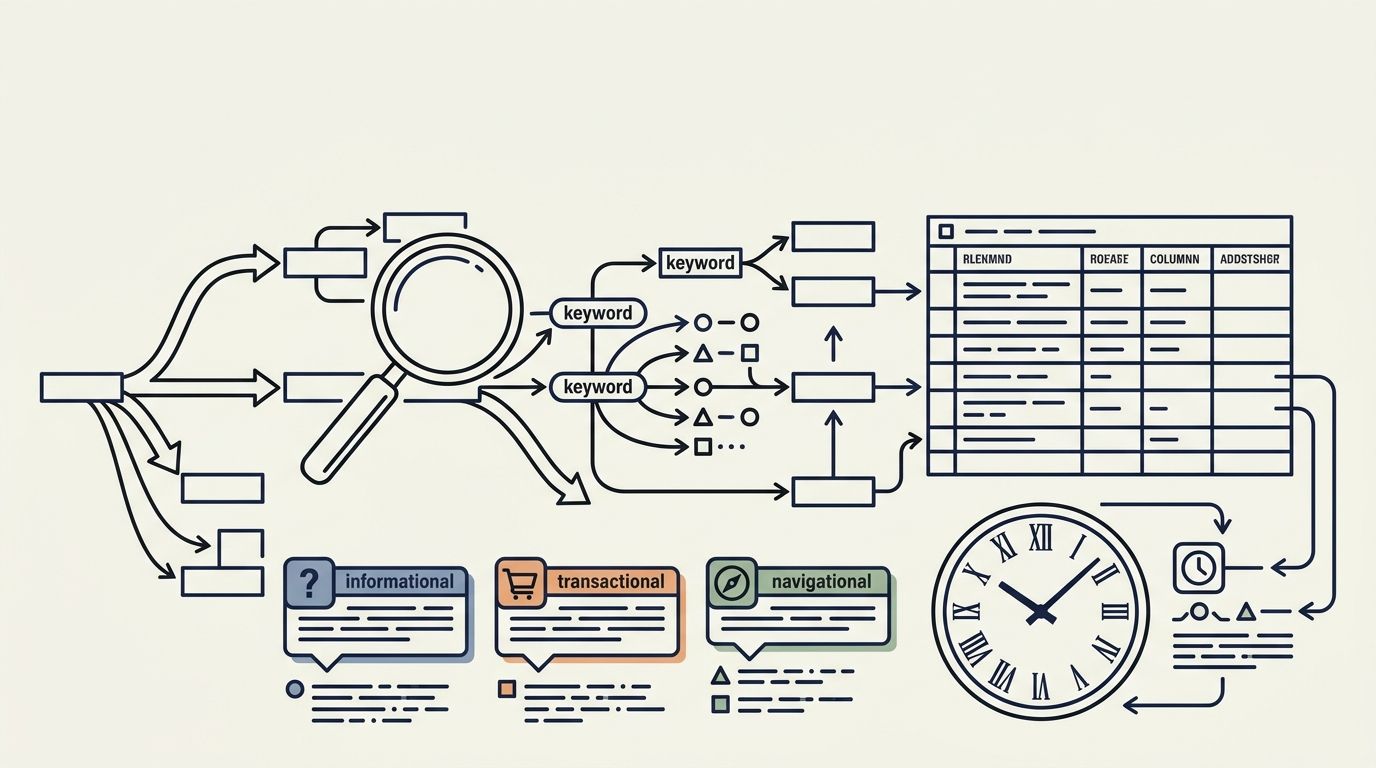
The deliverable is a single spreadsheet with four columns: URL, primary keyword, classified intent, and a match/mismatch flag.
Search Intent Signals Hidden in Your Competitor's Content Gap: A Reverse-Engineering Method
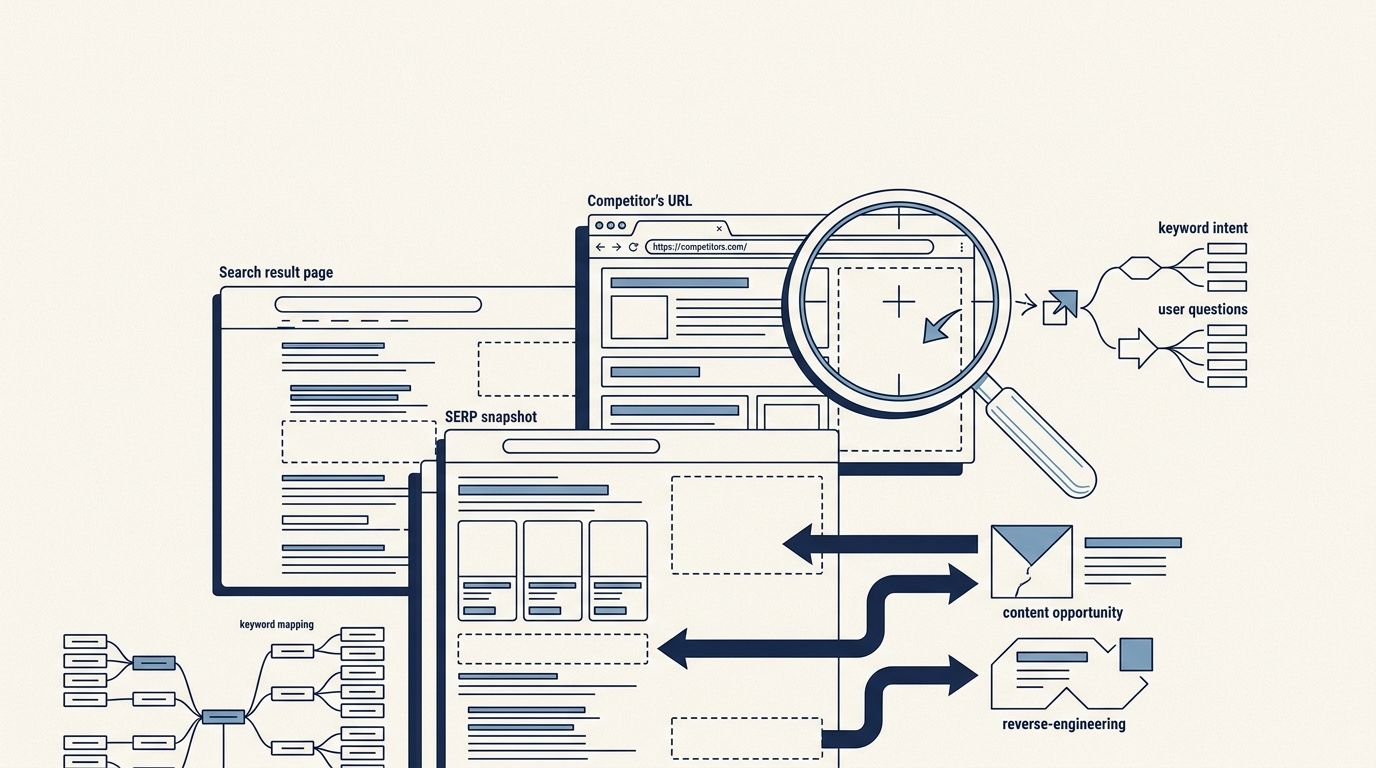
Competitor content gaps carry intent signals embedded in SERP formats, title tag patterns, and H2 structures of pages that already rank. Extracting those signals through systematic SERP reverse engineering produces a prioritized content opportunity map, not a generic list of missing keywords.