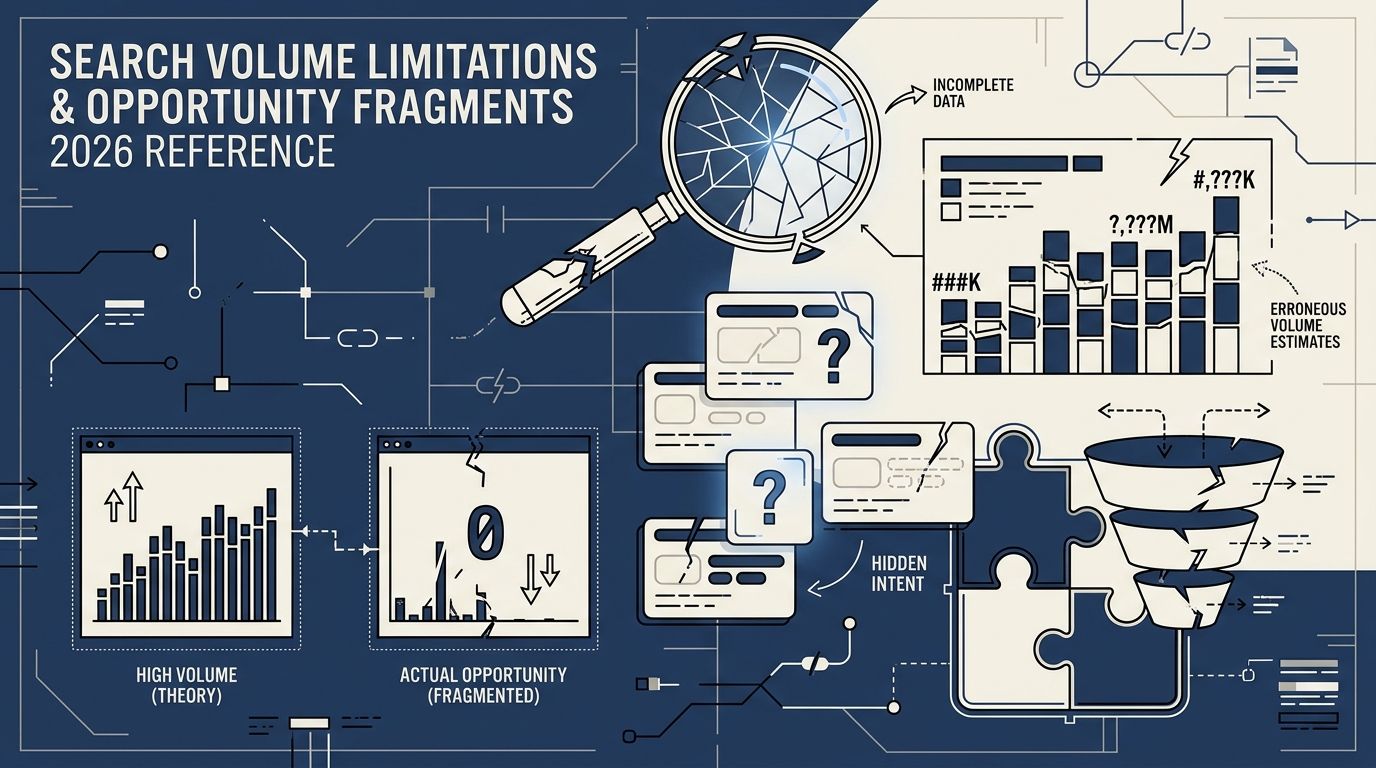
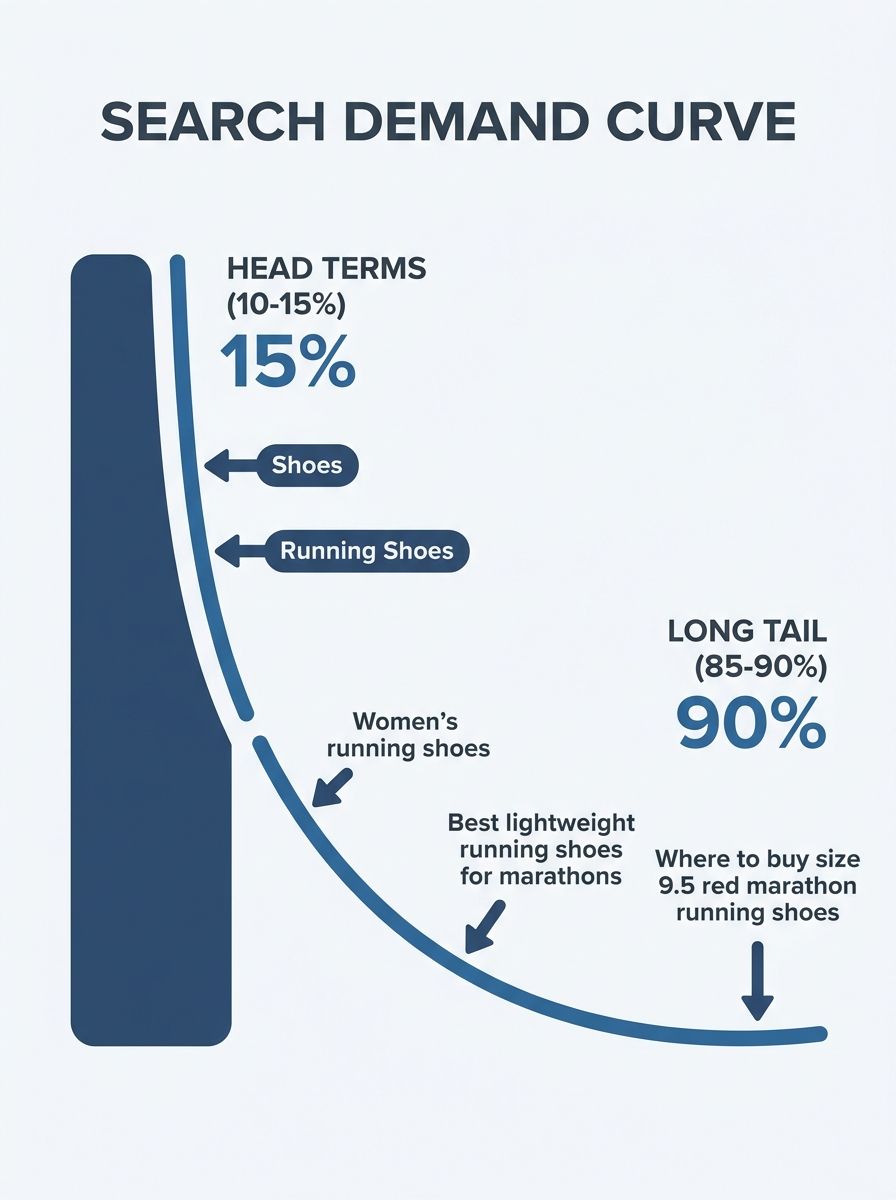
Roughly 15% of the queries Google processes each day have never appeared in any keyword research tool's index. That figure represents the floor of what volume-based research misses, before accounting for the queries tools do track but measure with wildly conflicting numbers across platforms.
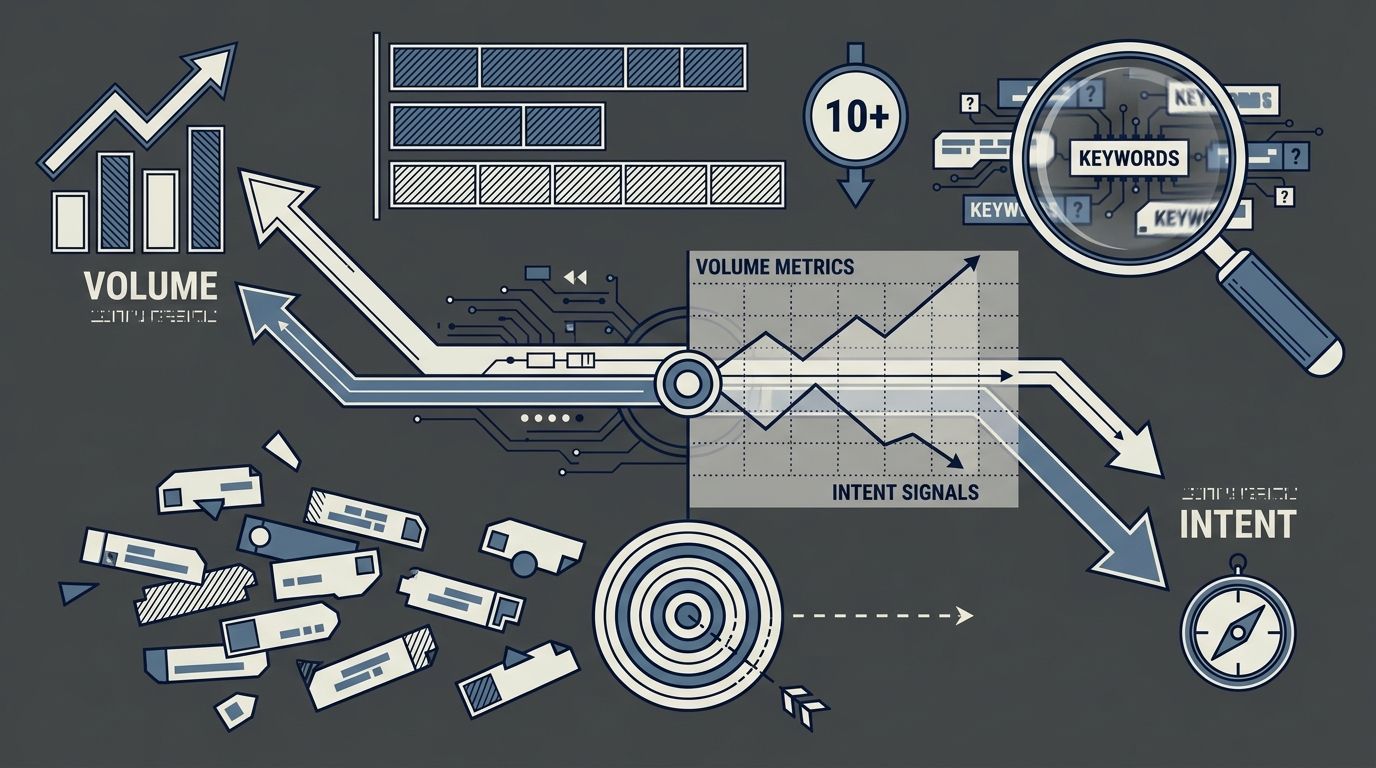
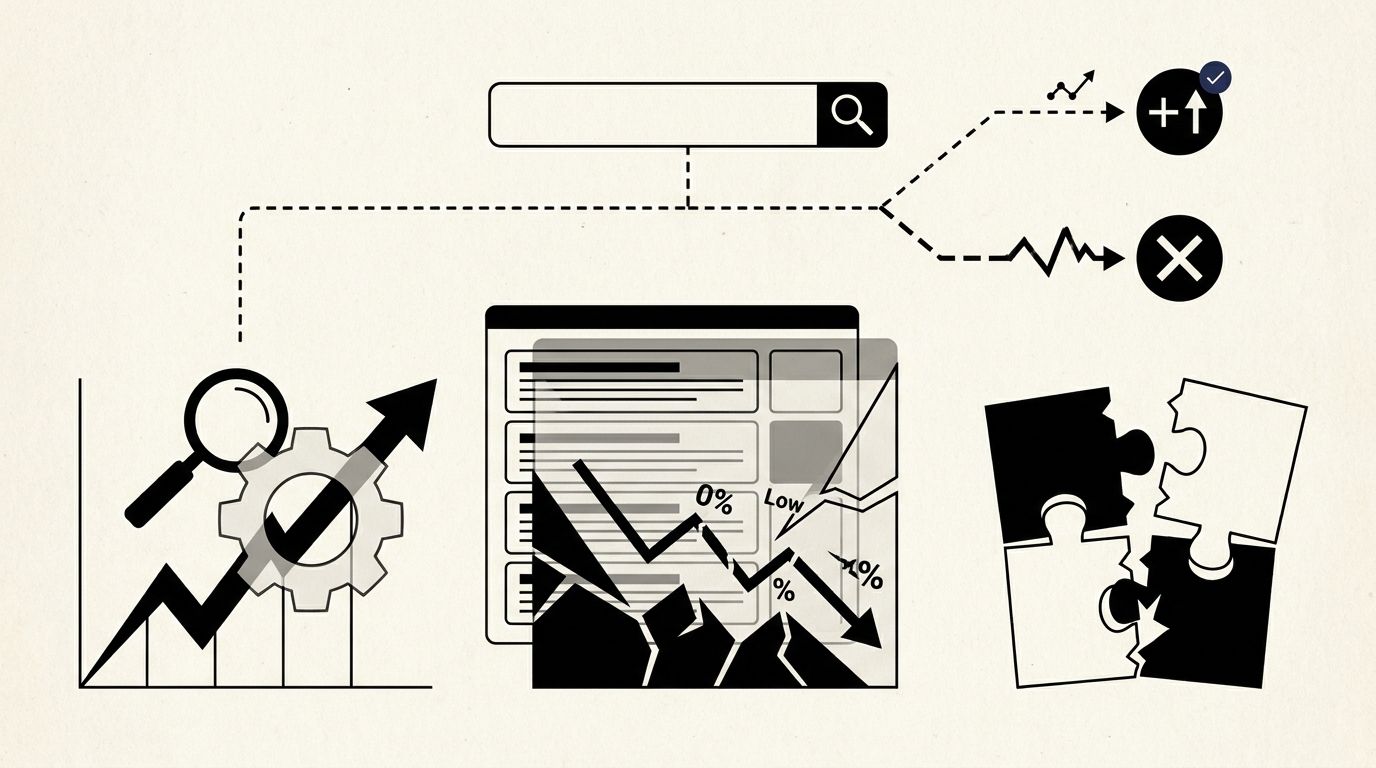
Every major keyword tool defaults to sorting results by search volume descending. That single UX decision has trained an entire generation of SEOs to build content around the metric least predictive of whether a page will actually rank, earn clicks, convert visitors, or hold its position over time.
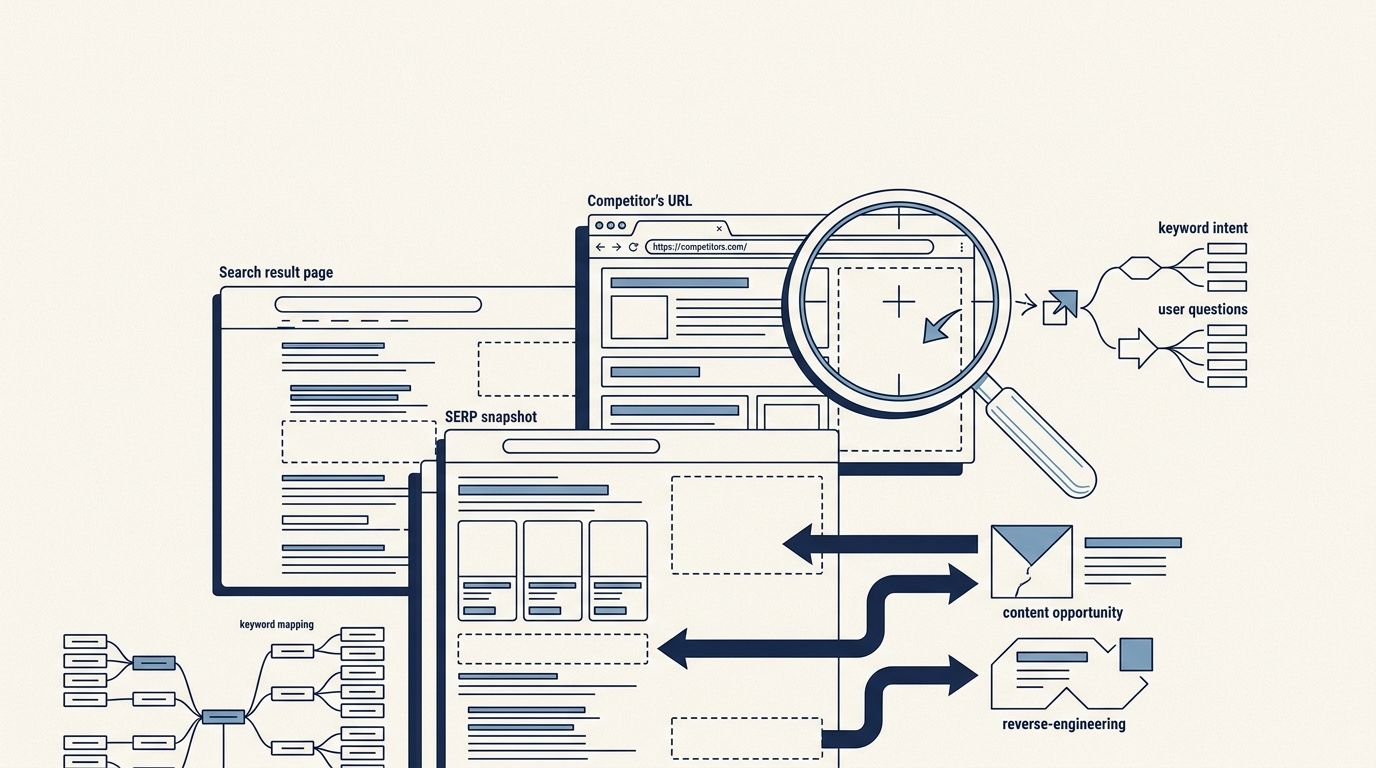
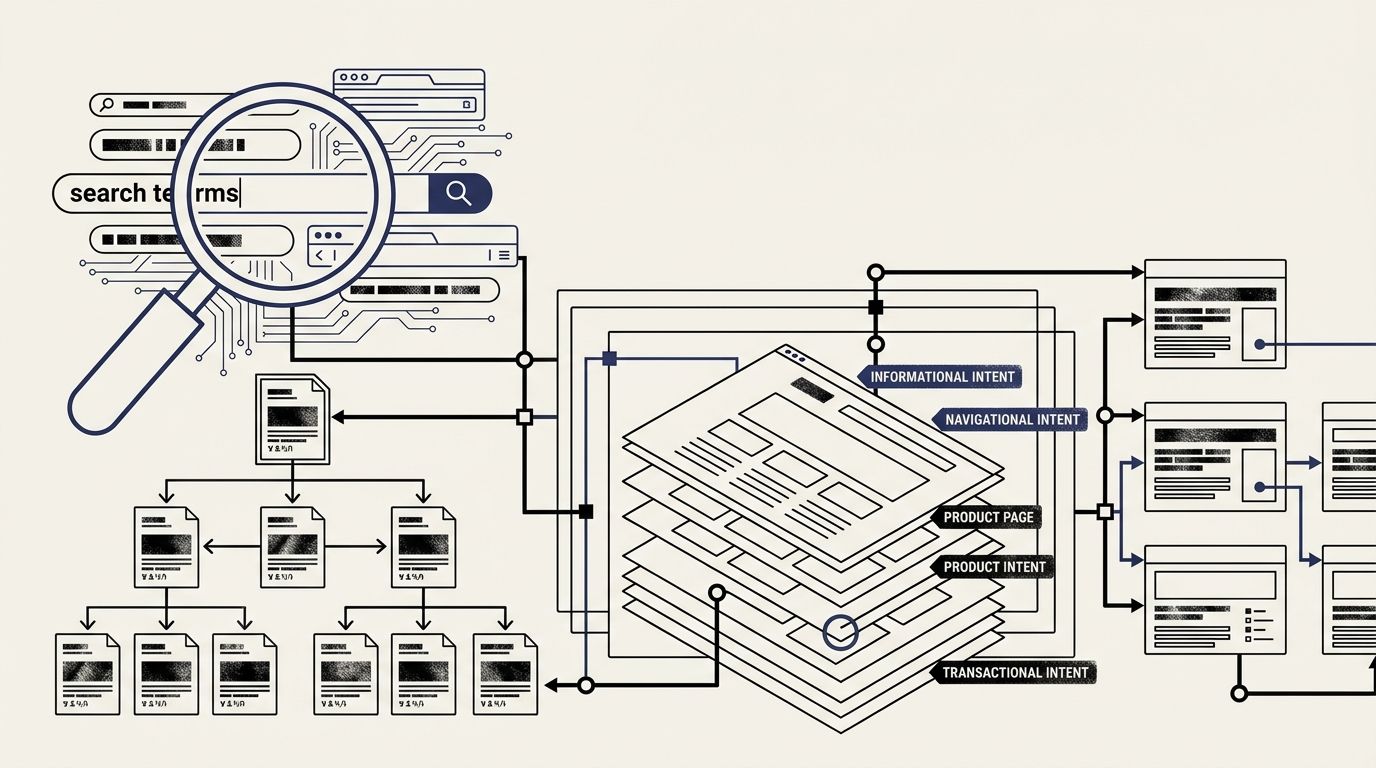
Competitor content gaps carry intent signals embedded in SERP formats, title tag patterns, and H2 structures of pages that already rank. Extracting those signals through systematic SERP reverse engineering produces a prioritized content opportunity map, not a generic list of missing keywords.
ClickRank's intent mapping documentation shows that sites assigning exactly one intent type per URL eliminate page-level content overlap entirely, because each URL resolves a distinct query class.
Pages ranking on page one for target keywords convert at roughly 3% on average, but pages with strong keyword intent alignment push past 5%, per Grow and Convert's conversion data. The gap between those numbers is where intent mismatch hides, and three detection methods exist to find it.
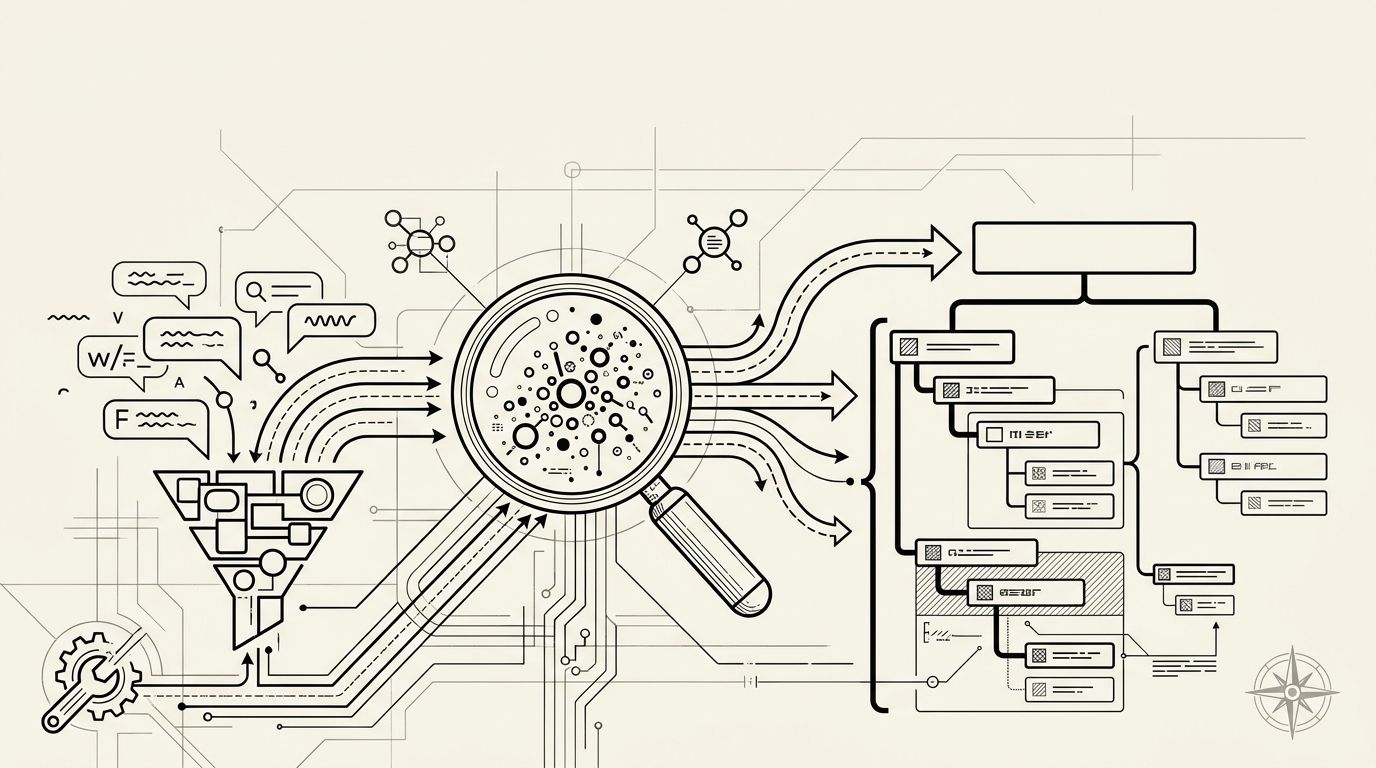
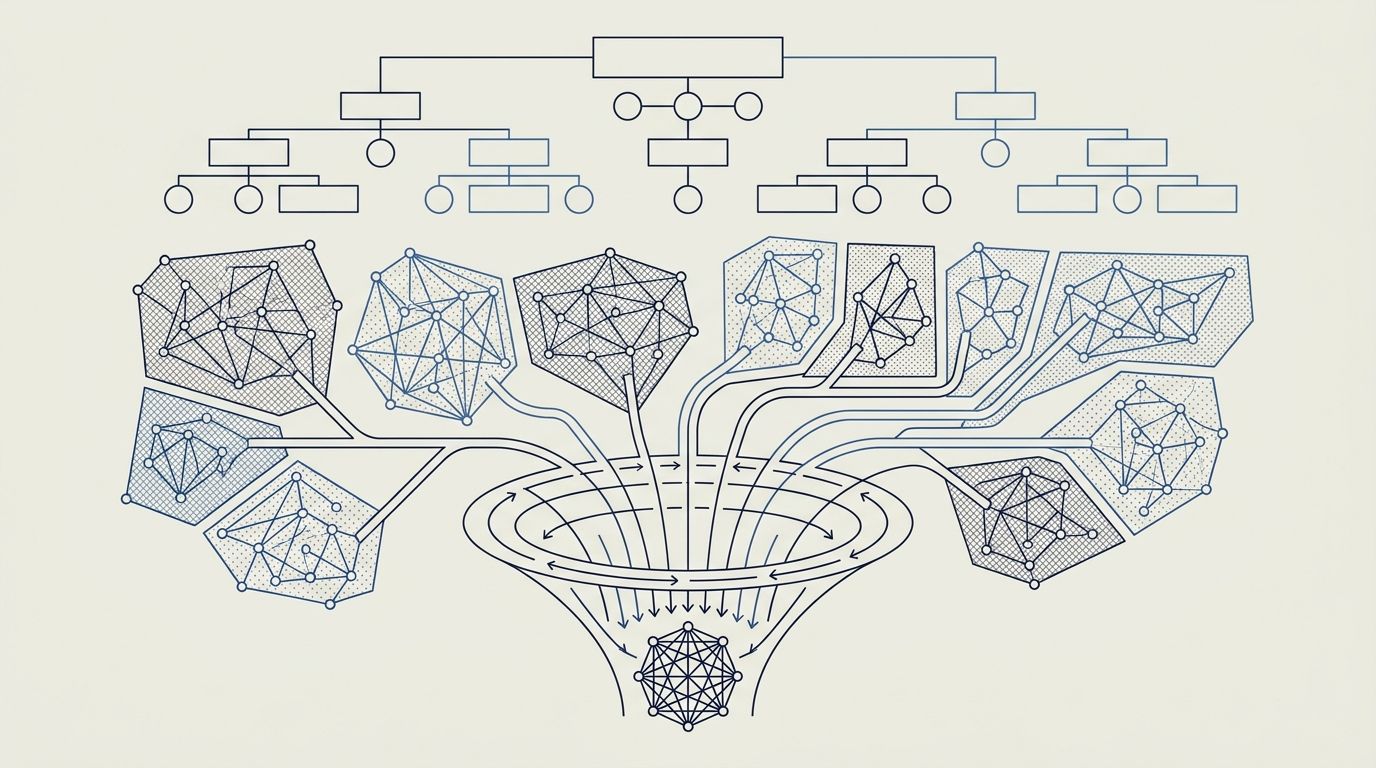
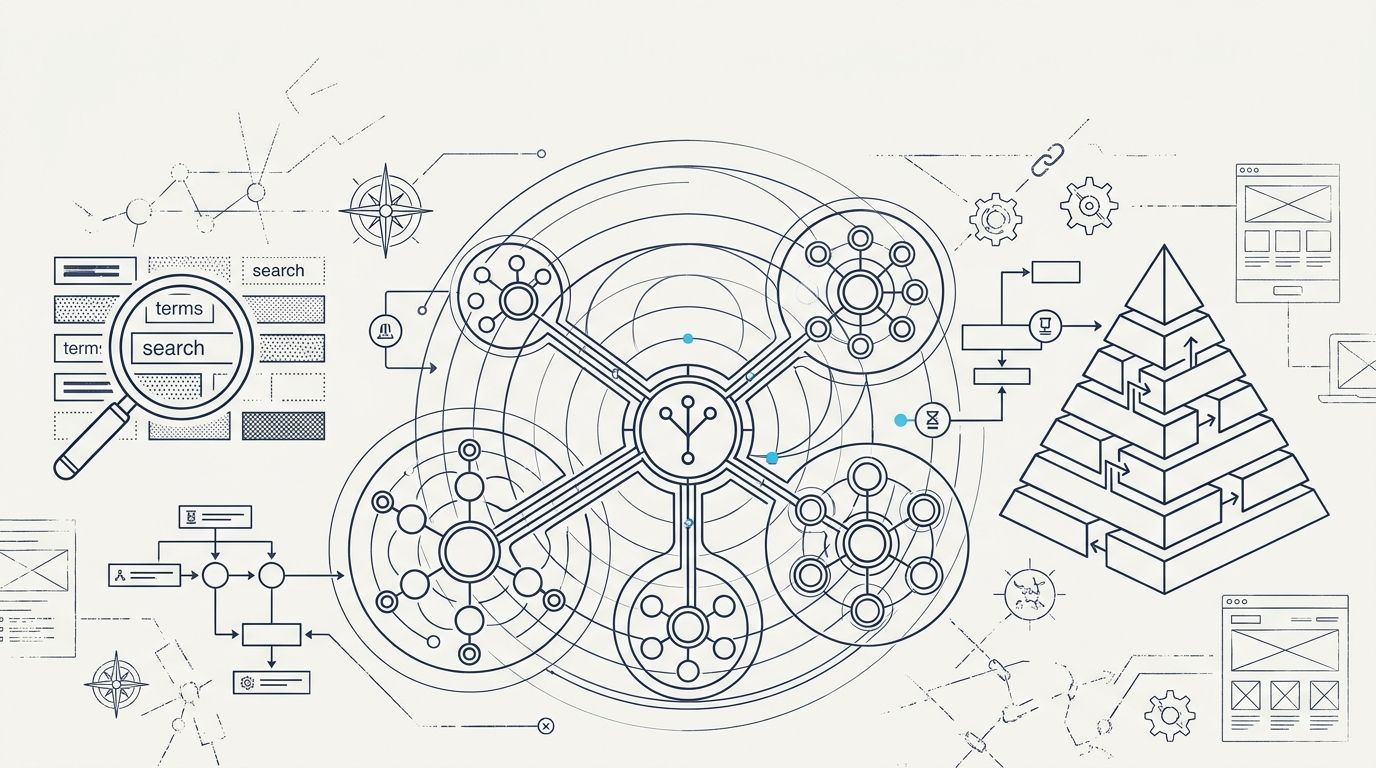
Three methods dominate pre-launch keyword strategy for information architecture: SERP-driven intent mapping, topic cluster modeling, and user-task taxonomy. Each one produces a different site hierarchy, and 96.
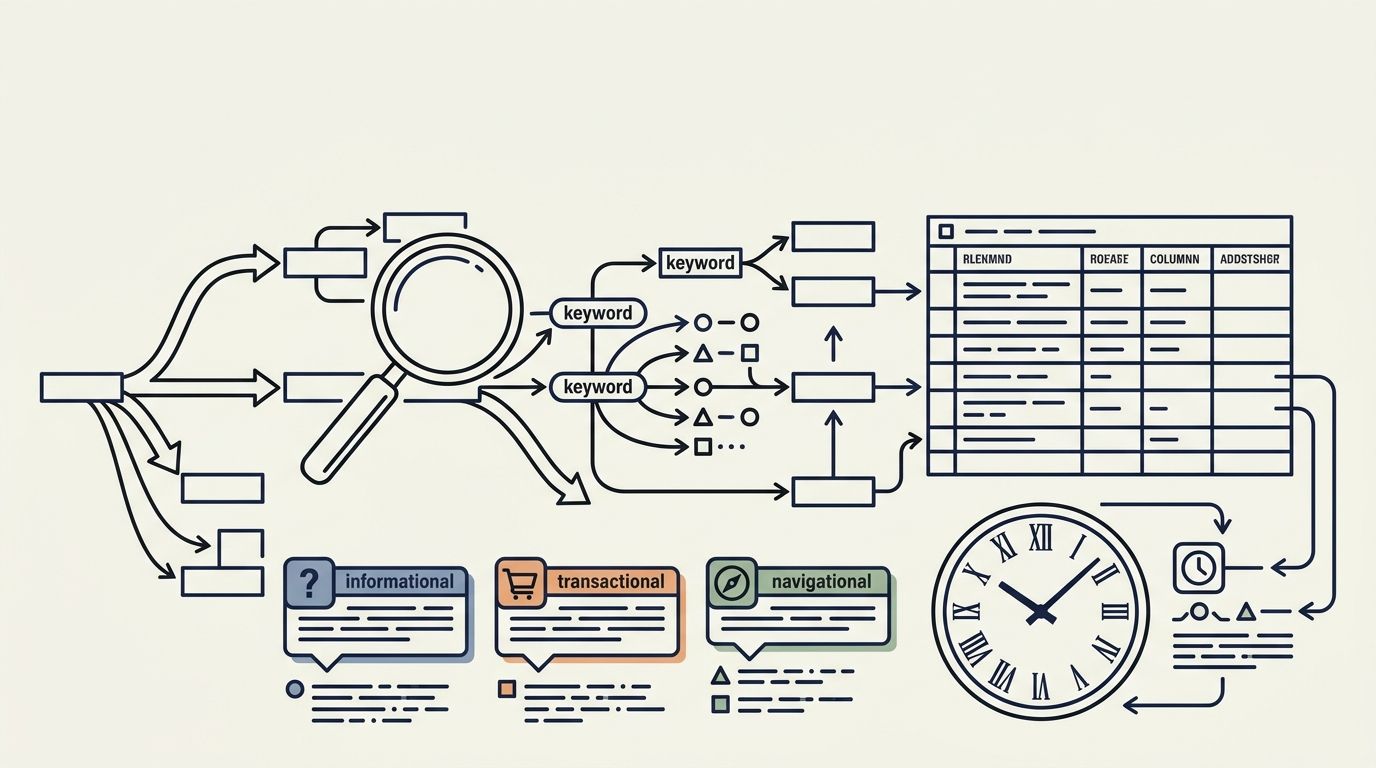
Every keyword tool on the market outputs the same four columns: search volume, keyword difficulty (a score from 0 to 100), CPC, and a one-word intent label.
The keyword research workflow taught in every SEO course—pick a tool, sort by volume, filter by difficulty—reliably steers you toward the wrong content.