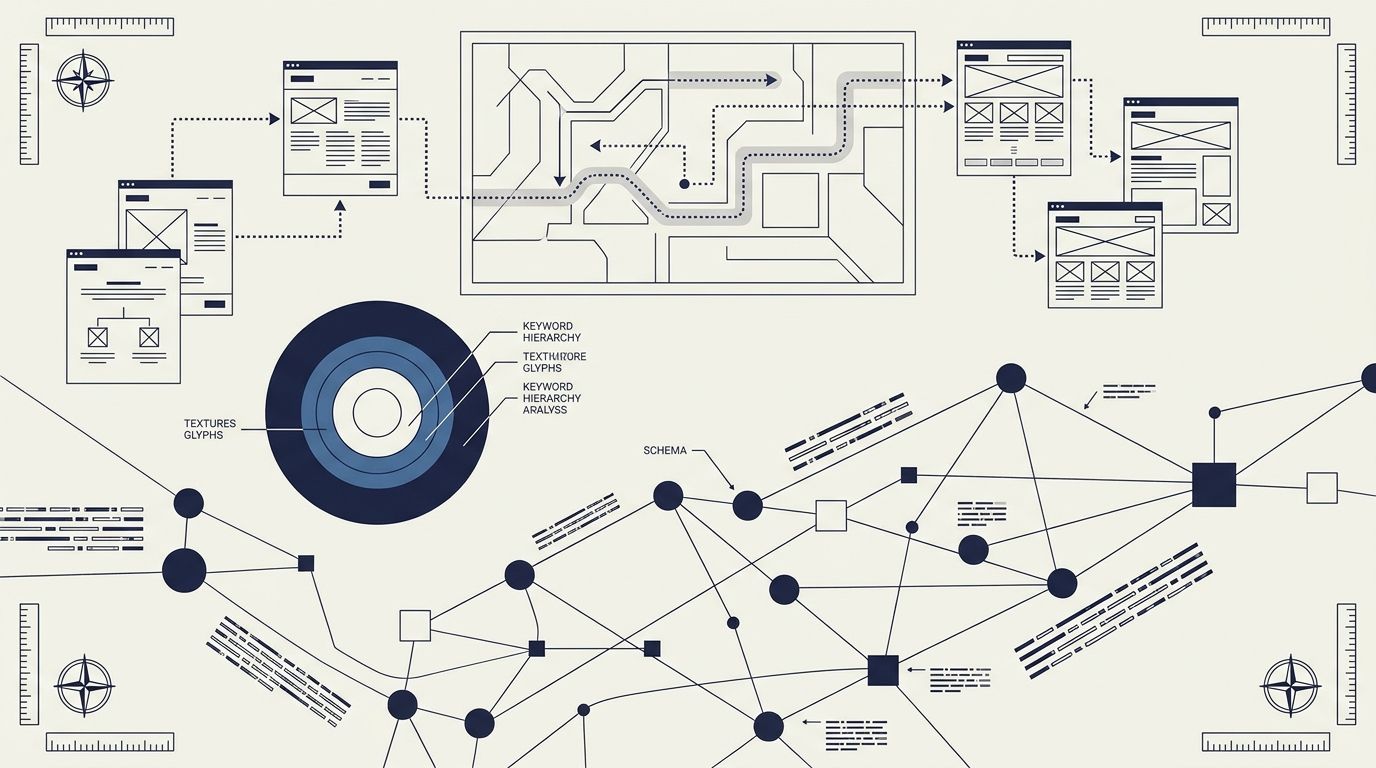
Keyword Allocation Mastery: The Missing Link Between Research and On-Page SEO Success
Google's search results regularly surface two or three pages from the same domain competing for identical queries, none cracking the top five.
Tag
15 articles
Google's search results regularly surface two or three pages from the same domain competing for identical queries, none cracking the top five.

Every major keyword tool defaults to sorting results by search volume descending. That single UX decision has trained an entire generation of SEOs to build content around the metric least predictive of whether a page will actually rank, earn clicks, convert visitors, or hold its position over time.

Underserved niche markets convert at 3–5x the rate of high-volume keyword targets, according to UniK SEO's analysis of low-volume search segments. The mechanism is specificity: low-volume high-intent keywords filter out casual browsers and pull in users who are already close to a purchase decision.
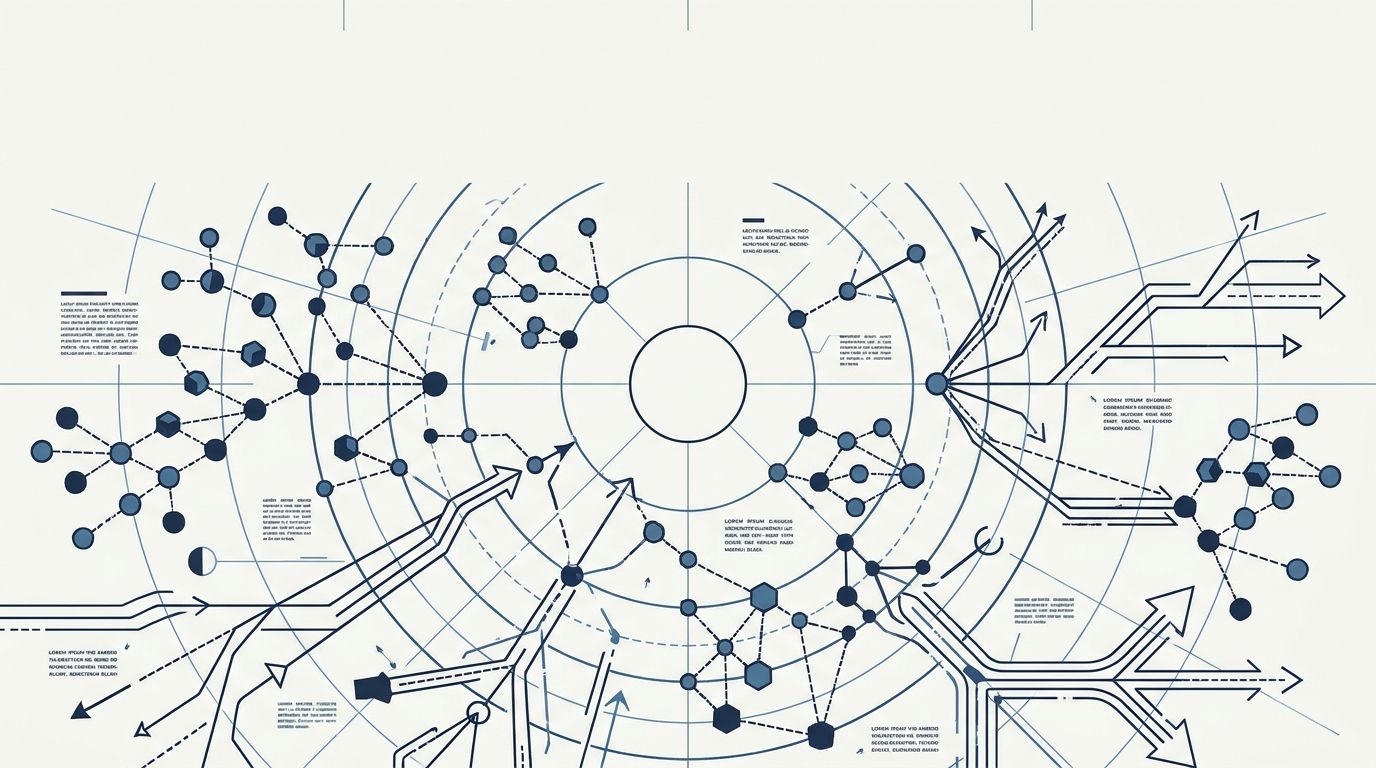
Google's algorithmic evolution from Hummingbird through BERT and MUM turned single-keyword targeting into a losing strategy.

ClickRank's intent mapping documentation shows that sites assigning exactly one intent type per URL eliminate page-level content overlap entirely, because each URL resolves a distinct query class.
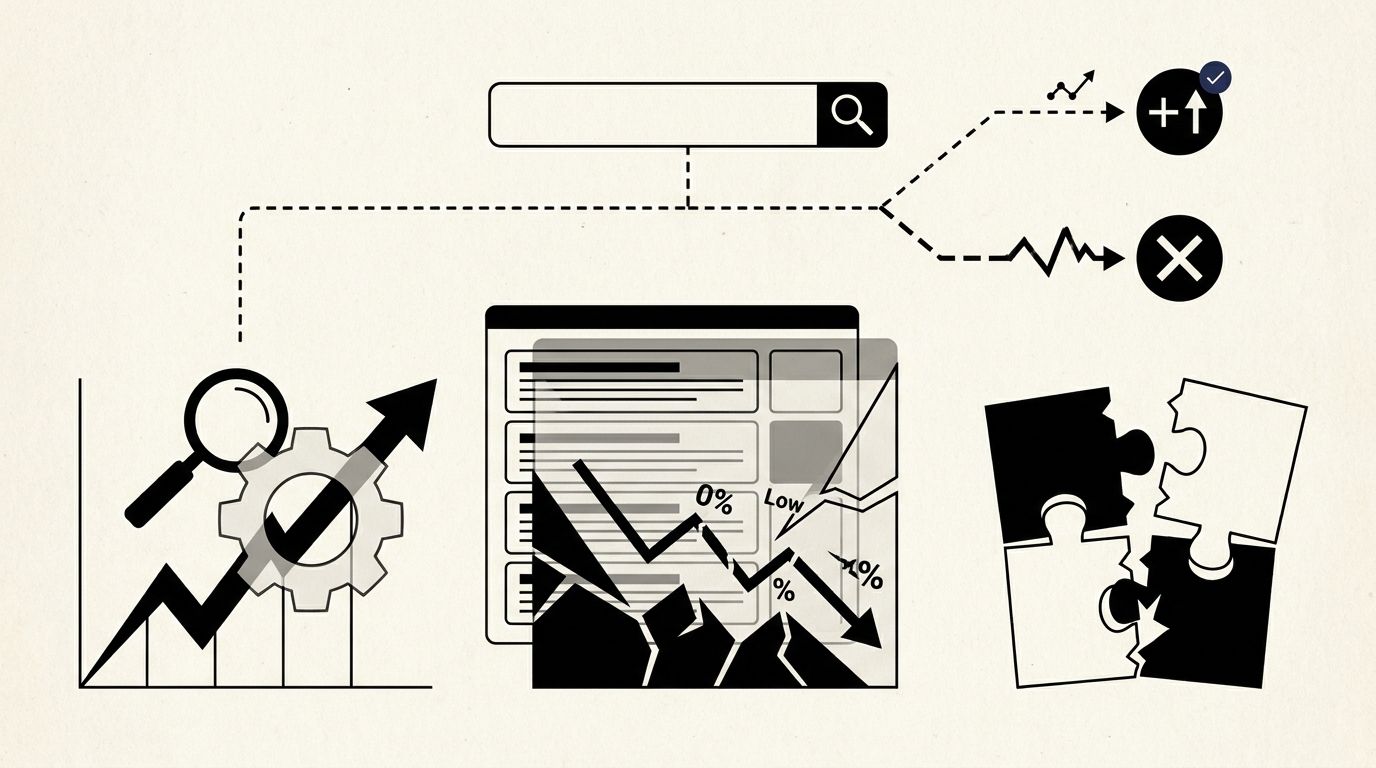
Pages ranking on page one for target keywords convert at roughly 3% on average, but pages with strong keyword intent alignment push past 5%, per Grow and Convert's conversion data. The gap between those numbers is where intent mismatch hides, and three detection methods exist to find it.

Keyword Insights shipped a Claude skill that clusters keywords using live SERP overlap data, which means keywords grouped together actually share ranking URLs in Google's index.

Your CRM already contains the highest-converting keyword list your SEO team will ever work from, and nobody on that team has opened it.

Ahrefs charges $129/month at its entry tier. Semrush starts at $139.95/month. Running both alongside a content optimization tool pushes monthly spend past $350 before you factor in annual commitments.

Assigning the same target keyword to two or more URLs forces Google to choose which page deserves the ranking, and it frequently picks the wrong one.
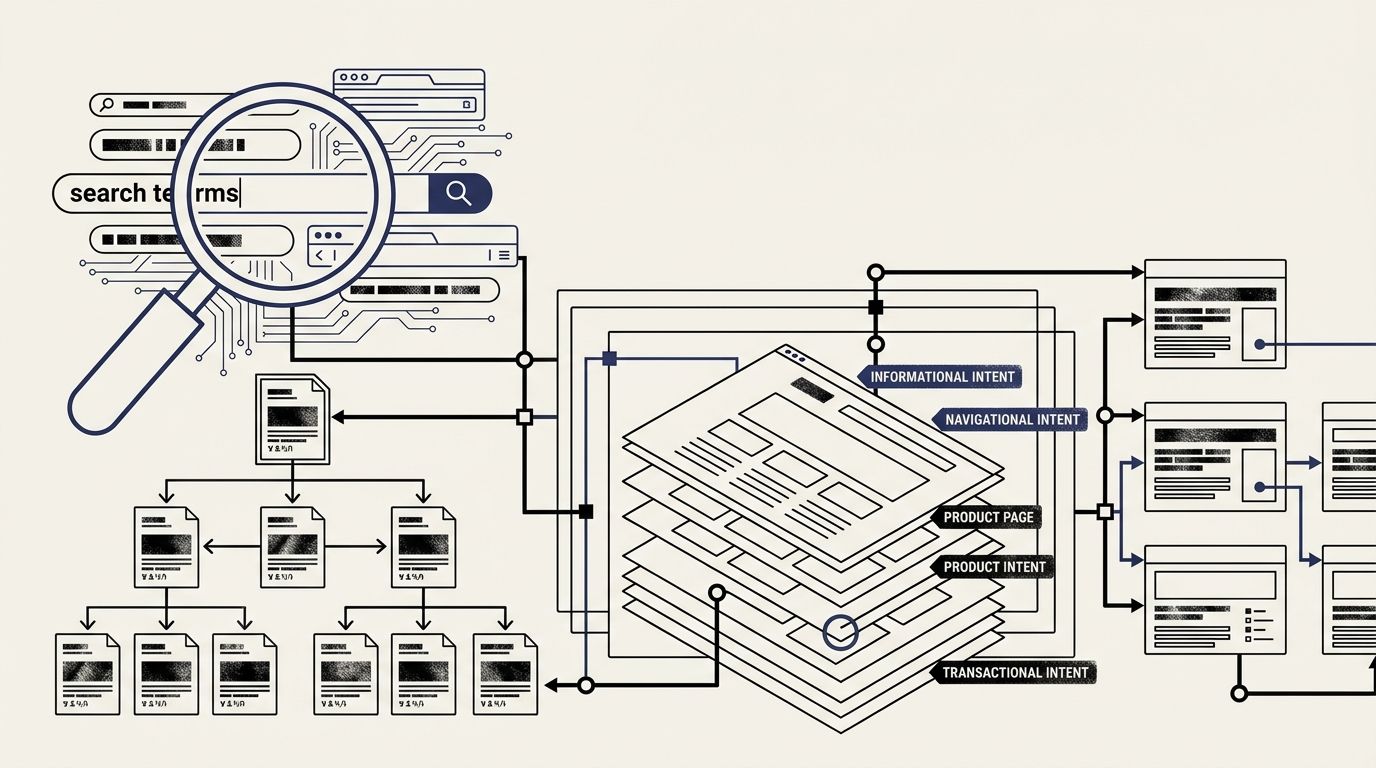
Three methods dominate pre-launch keyword strategy for information architecture: SERP-driven intent mapping, topic cluster modeling, and user-task taxonomy. Each one produces a different site hierarchy, and 96.

Every keyword tool on the market outputs the same four columns: search volume, keyword difficulty (a score from 0 to 100), CPC, and a one-word intent label.