Stop Obsessing Over Domain Authority: Why DA Is a Proxy Metric That Leads SEOs Astray
Moz's Domain Authority is a machine-learning model trained on link data to predict Google rankings. Google doesn't use it. Google has never used it.

Stop Obsessing Over Domain Authority: Why DA Is a Proxy Metric That Leads SEOs Astray
Moz's Domain Authority is a machine-learning model trained on link data to predict Google rankings. Google doesn't use it. Google has never used it. The gap between what DA measures and what actually determines your search position is where most domain authority criticism begins, and where a lot of wasted SEO budgets end up.
How DA Gets Its Number
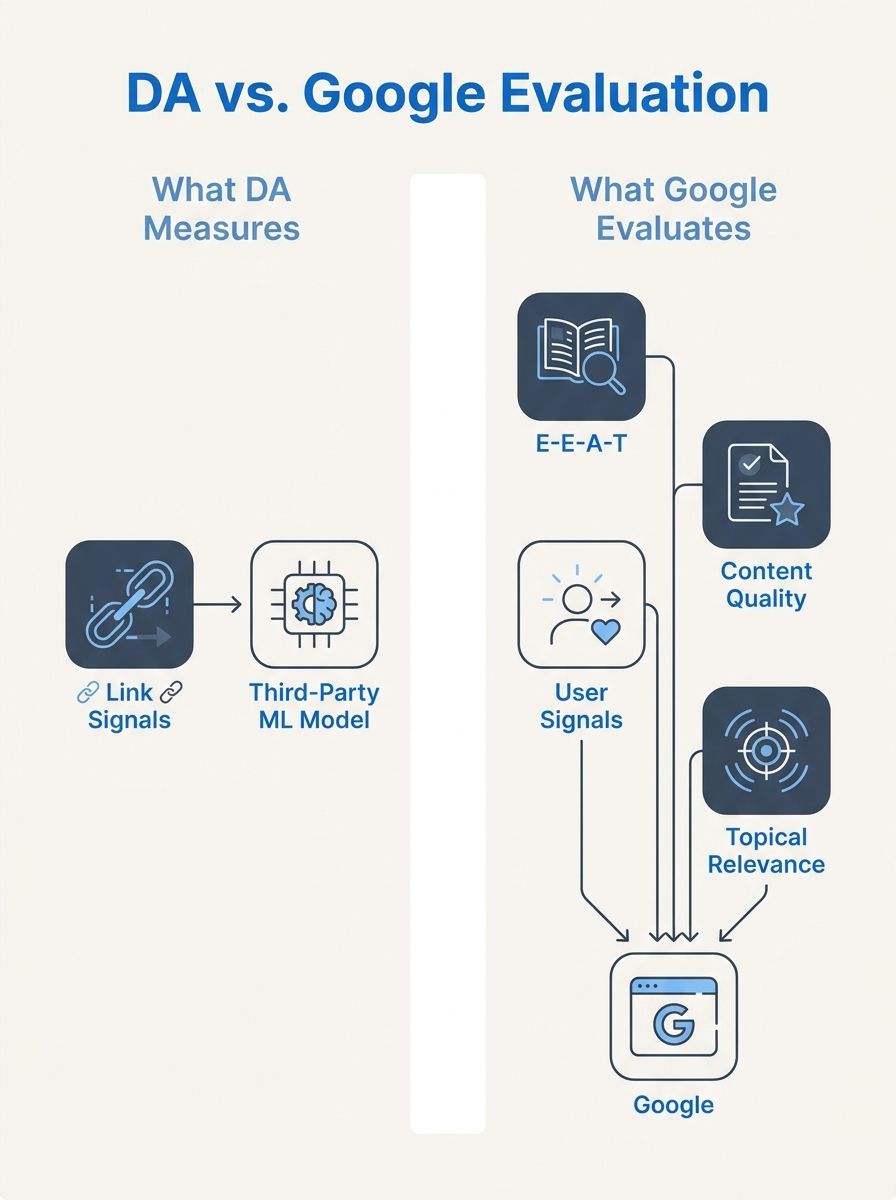
Moz calculates Domain Authority by feeding roughly 40 link-based factors into a machine-learning model that outputs a score from 1 to 100. The model is trained to correlate with Google's search results, meaning DA attempts to reverse-engineer ranking outcomes from publicly observable link data. It does not replicate Google's algorithm. It guesses at it.
The score incorporates linking root domains, total link count, MozRank, MozTrust, and several other proprietary signals. Moz recalibrates the model periodically, which means your DA can drop overnight without any change to your actual site. A domain with DA 45 on Monday might read DA 38 on Friday because Moz updated its index or adjusted model weights. Google's John Mueller has acknowledged that Google does use an internal sitewide quality score that "maps to similar things," but he's been clear that this internal signal and Moz's DA are different systems entirely.
This distinction matters more than it sounds. DA is a prediction about rankings. It is not a ranking input. Treating a prediction as a target is like trying to improve your credit score by editing the report instead of paying down debt.
What Google Evaluates Instead
Google's ranking system weighs hundreds of signals, and the ones that matter most for authority have moved well beyond raw link counts. The E-E-A-T framework (Experience, Expertise, Authoritativeness, Trustworthiness) now shapes how Google assesses content quality at both the page and site level. Strong E-E-A-T signals improve how Google judges content relevance and reliability, and these signals include author credentials, first-hand experience markers, citation patterns, and site reputation. None of these show up in a DA calculation.
Google's helpful content system, which we've examined in detail through patents and testing, uses machine-learning classifiers trained on human rater feedback and engagement data. A site can have DA 25 and rank above a DA 70 competitor for specific queries because it demonstrates deeper topical expertise, better content structure, and stronger user engagement signals. DA vs Google ranking comparisons frequently reveal this pattern: the proxy metric and the actual result disagree.
Organic search drives approximately 53% of all website traffic and between 44% and 64% of B2B revenue, according to industry benchmarks. These outcomes depend on Google's actual evaluation criteria. They don't care about your Moz score.
DA and DR Are Both Blind, in Different Ways
Why does Moz DA get confused with Ahrefs Domain Rating so often? Because SEOs treat them interchangeably, and this confusion costs real money. As Rhino Rank documented, mixing up these third-party SEO metrics leads to "paying too much for links, misunderstanding competitors, and building plans off the wrong signals."
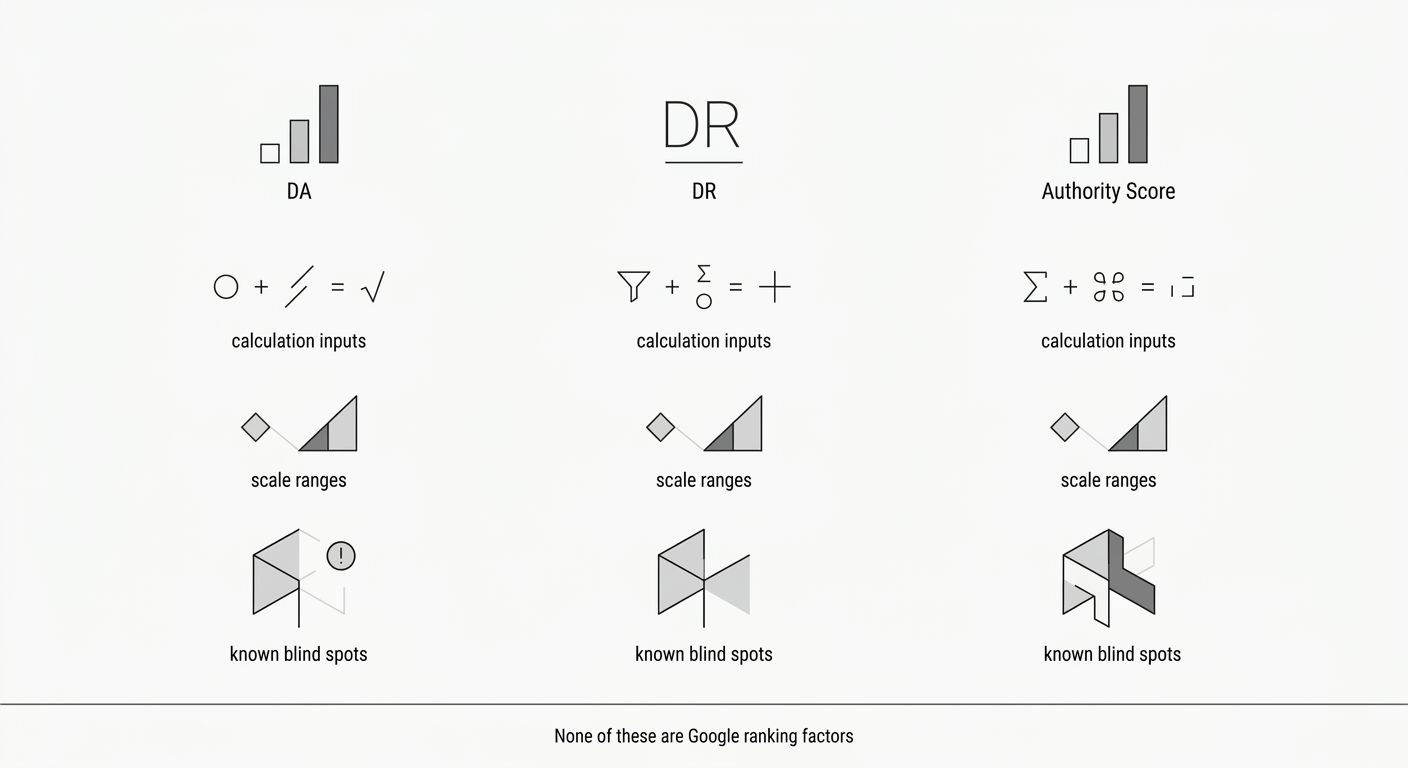
The two scores measure fundamentally different things. DR focuses heavily on backlink quantity and the strength of linking domains. DA incorporates broader domain equity signals including site structure and spam scores. A domain could carry DR 60 and DA 35 simultaneously without either number being "wrong," because they're answering different questions about the same site.
Metric | Creator | Primary Input | What It Estimates | Update Frequency |
|---|---|---|---|---|
Domain Authority (DA) | Moz | ~40 link factors + spam score | Likelihood of ranking | Periodic (varies) |
Domain Rating (DR) | Ahrefs | Backlink profile strength | Link profile power | Near-daily |
Authority Score | Semrush | Links + traffic + spam signals | Overall domain strength | Monthly |
All three are proprietary. All three are third-party. None feeds into Google's algorithm. And the Moz DA limitations that apply to DA also apply to DR and Authority Score: they're external predictions, not internal inputs. If you're comparing tools for your workflow, our breakdown of Ahrefs vs. Semrush covers how their underlying data differs for keyword research specifically.
How DA Warps Link Building Economics
Here's where the damage gets expensive. When DA becomes the primary lens for evaluating link prospects, the entire economics of link building distorts. SEOs start paying premiums for links from high-DA domains regardless of topical relevance, editorial quality, or actual traffic. A DA 60 link from a generic tech blog with 200 monthly visitors gets valued above a DA 30 link from a niche trade publication with 15,000 engaged readers in your exact industry.
Search Engine Land published a pointed case against Moz's Domain Authority, noting that "companies that use Domain Authority as a KPI often find themselves participating in black-hat link-building practices solely to improve their DA score rather than creating a better experience for their visitors." The author, who teaches SEO at UCLA, observed that these companies end up ignoring real business KPIs in favor of what amounts to a vanity metric.
The link quality vs quantity debate resolves cleanly once you remove DA from the equation. A backlink profile with many high-quality links from authoritative, topically relevant websites is infinitely more valuable than one padded with low-quality links from high-DA domains that happen to sell placements. We've covered the practical side of this in our white-hat link building playbook, where 47 referring domains over eight months came from relevance-first outreach rather than DA-filtered prospecting.
The pattern extends to outreach, too. When your pitch starts with "I noticed your DA is 50+" as the qualifying criterion, you're making fixable mistakes that tank response rates. Editors at quality publications don't think about their own DA. They think about whether your content serves their audience.
The Lag That Makes Everything Worse
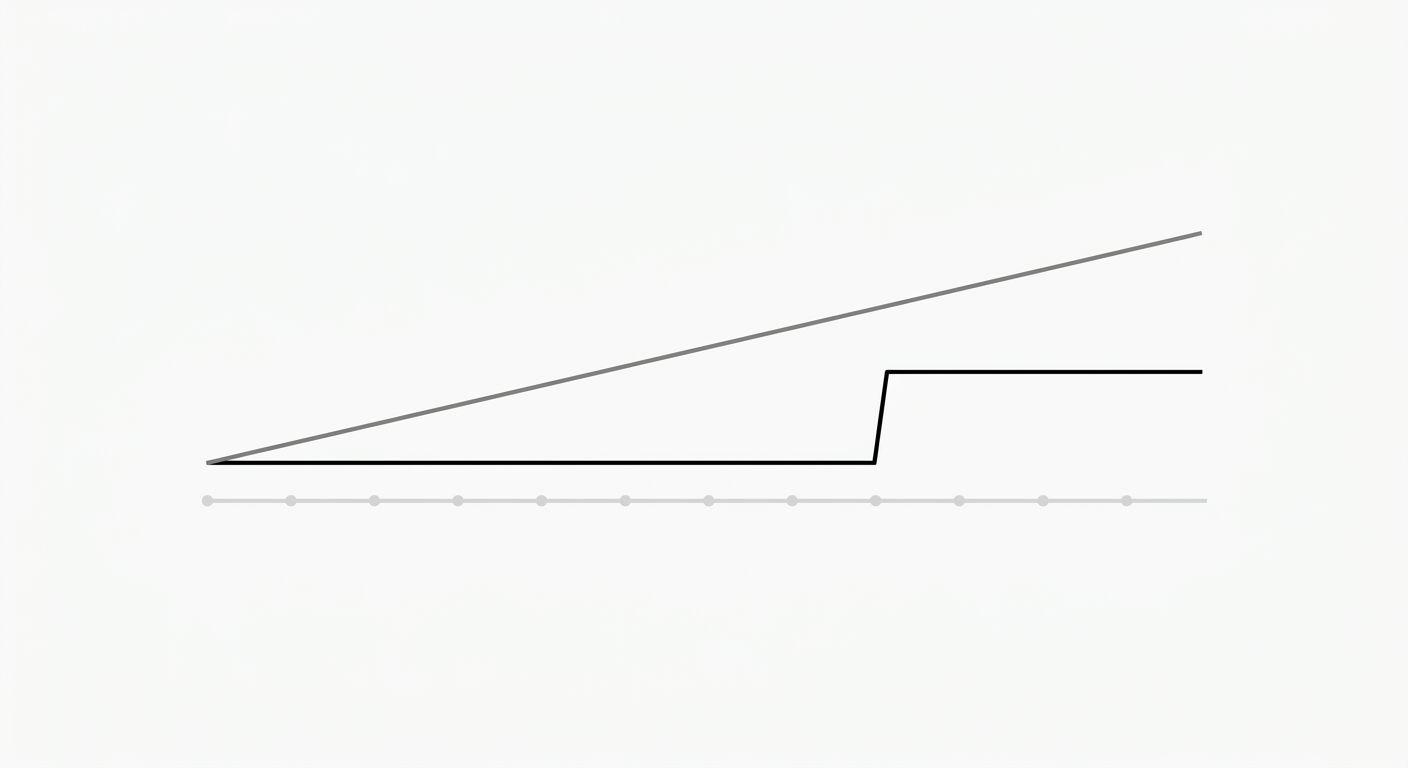
DA updates slowly. Moz's link index crawls a fraction of the web compared to Google, and model recalibrations happen on Moz's schedule, not yours. The practical result: a site can see keyword ranking improvements and organic traffic growth while DA stagnates for 6 to 12 months. This lag turns DA into a rearview mirror pointed at a road you drove down last quarter.
For teams reporting to executives or clients, this creates a communication problem. If DA is your headline KPI, you'll spend months explaining why the number hasn't moved even though traffic is up 40% and leads doubled. Or worse, you'll see DA climb while actual rankings slide because the link profile grew in volume without gaining relevance. Both scenarios erode trust in the SEO function.
The metrics that actually reflect performance in near-real-time are keyword position changes, non-branded organic traffic, click-through rates (especially as AI Overviews reshape CTR patterns), and conversion volume from organic sessions. These connect to revenue. DA connects to a model that connects to a prediction that may or may not correspond to reality.
Where the Model Breaks
DA works best when you use it the way Moz originally intended: as a rough competitive benchmark, not a target. If you're comparing two link prospects and one has DA 55 with real traffic, strong editorial standards, and topical alignment while the other has DA 55 with no organic visitors and a link profile full of PBN references, DA told you nothing useful. The number was identical. Everything that mattered was different.
The model breaks in at least three specific, predictable ways.
First, DA can't evaluate topical relevance. A DA 70 cooking blog linking to your cybersecurity SaaS contributes minimal ranking value for your target queries, despite what the number suggests. Google weighs topical proximity between linking and linked sites, and DA is blind to it.
Second, DA doesn't account for the page-level factors that determine whether a specific link passes value. A link buried in a footer across 10,000 pages on a DA 60 site carries different weight than an in-content editorial link on a single relevant page of a DA 35 site. DA operates at the domain level. Google evaluates links at the page level.
Third, DA is gameable. Sites built specifically to sell links can inflate their DA through link exchanges, PBN networks, and expired domain acquisitions. The entire ecosystem of link schemes and private blog networks exists partly because DA provides a convenient-looking number that makes bad links seem valuable.
The metric still earns a place in your toolkit as a quick-filter sanity check during prospecting. A site with DA 5 and three referring domains probably isn't worth pursuing. But the moment DA becomes the decision-maker rather than one data point among many, you're optimizing for someone else's model instead of Google's actual ranking system. The sites that win in organic search build genuine authority through relevant content, earned links from real publications, and technical foundations that ensure those signals reach Google cleanly. DA, at best, reflects some of that work after the fact, with a long delay and significant blind spots along the way.
OrganicSEO.org Editorial
Editorial team writing about Ethical, white-hat, organic SEO education.
Related Articles
The Keyword Research Data Trap: Why Multiple Tools Contradict Each Other and How to Resolve Conflicts
Google Ads Keyword Planner API, the single upstream source feeding search volume data into Ahrefs, Semrush, Moz, and nearly every other SEO platform, returns estimates bucketed into ranges that can span 10x.

From Zero Referring Domains to 47 in Eight Months: A White-Hat Link Building Playbook in Practice
Three white-hat link building methods account for the vast majority of referring domain growth in campaigns that start from zero: original research assets, HARO-style journalist matching, and guest content contributions.
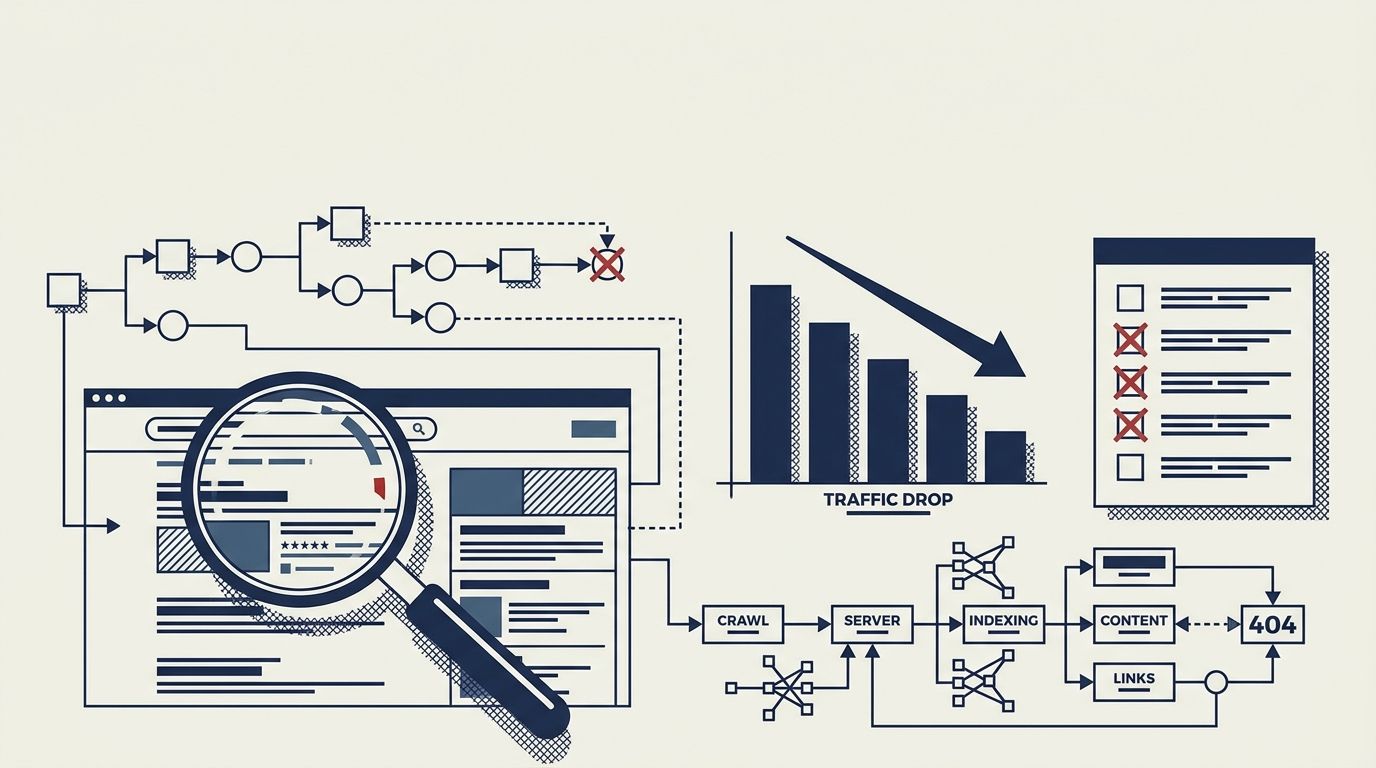
The SEO Debugging Checklist: How to Diagnose Visibility Drops Systematically (Not Frantically)
Diagnosing organic traffic drops requires a bottom-up diagnostic sequence through five layers: Crawl, Render, Index, Rank, and Click. Fixing lower layers first prevents wasted hours rewriting content that Google never crawled in the first place.