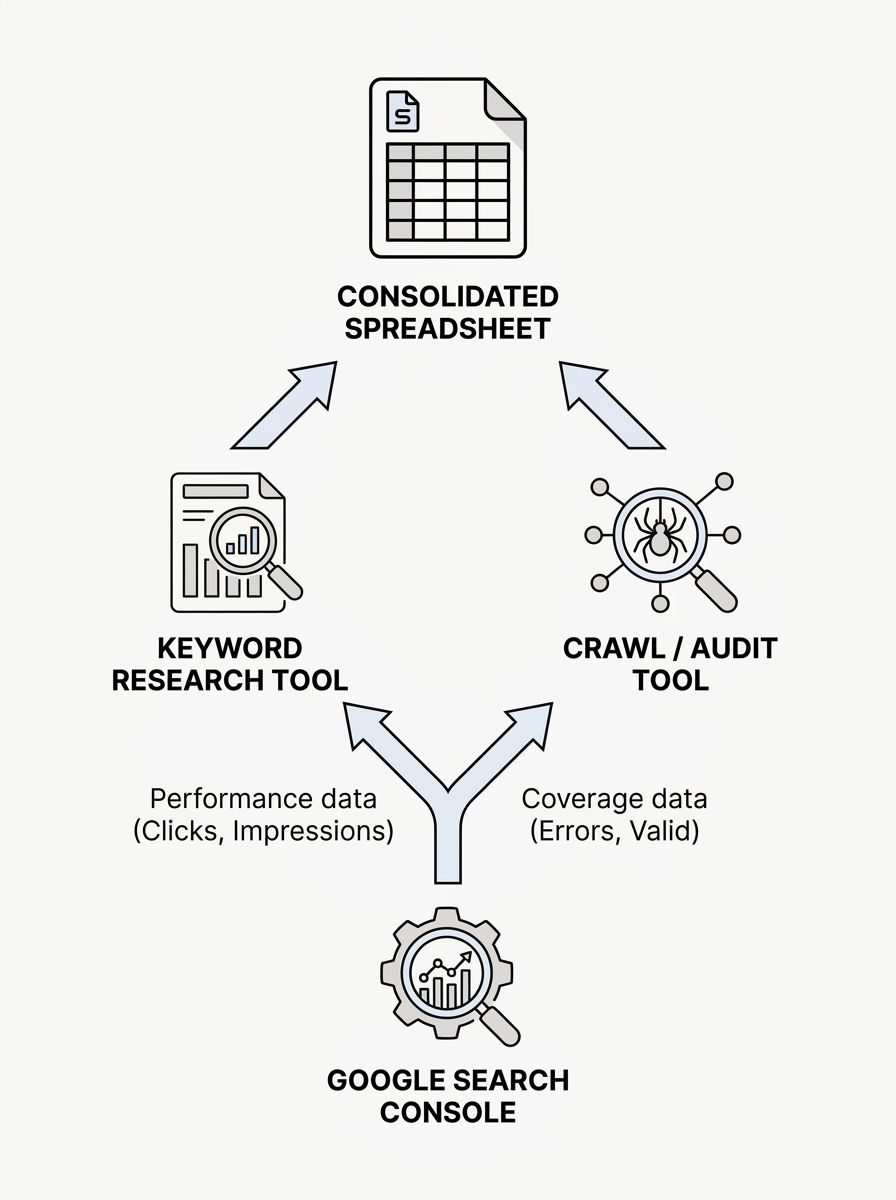
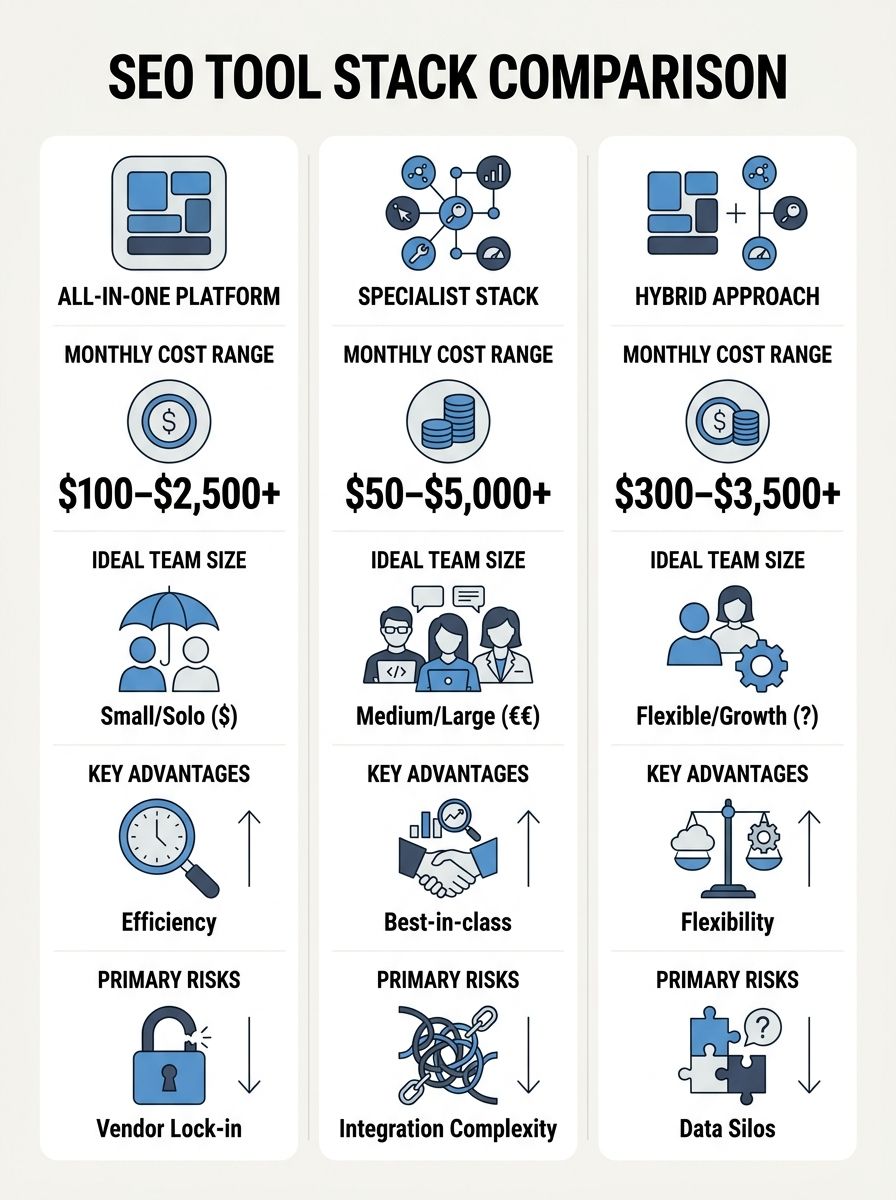
Google Search Console, a crawler, a keyword database, and a spreadsheet form the mechanical skeleton of every solo SEO tool stack that actually produces results. The common mistake people make when assembling this stack isn't picking the wrong individual tools.
Three keyword research subscriptions running simultaneously is the median for mid-size SEO teams, and almost nobody can articulate why they need all three.
Search intent classifications for tracked keywords now refresh automatically every 30 days inside Advanced Web Ranking's detection algorithm, regardless of other update schedules.
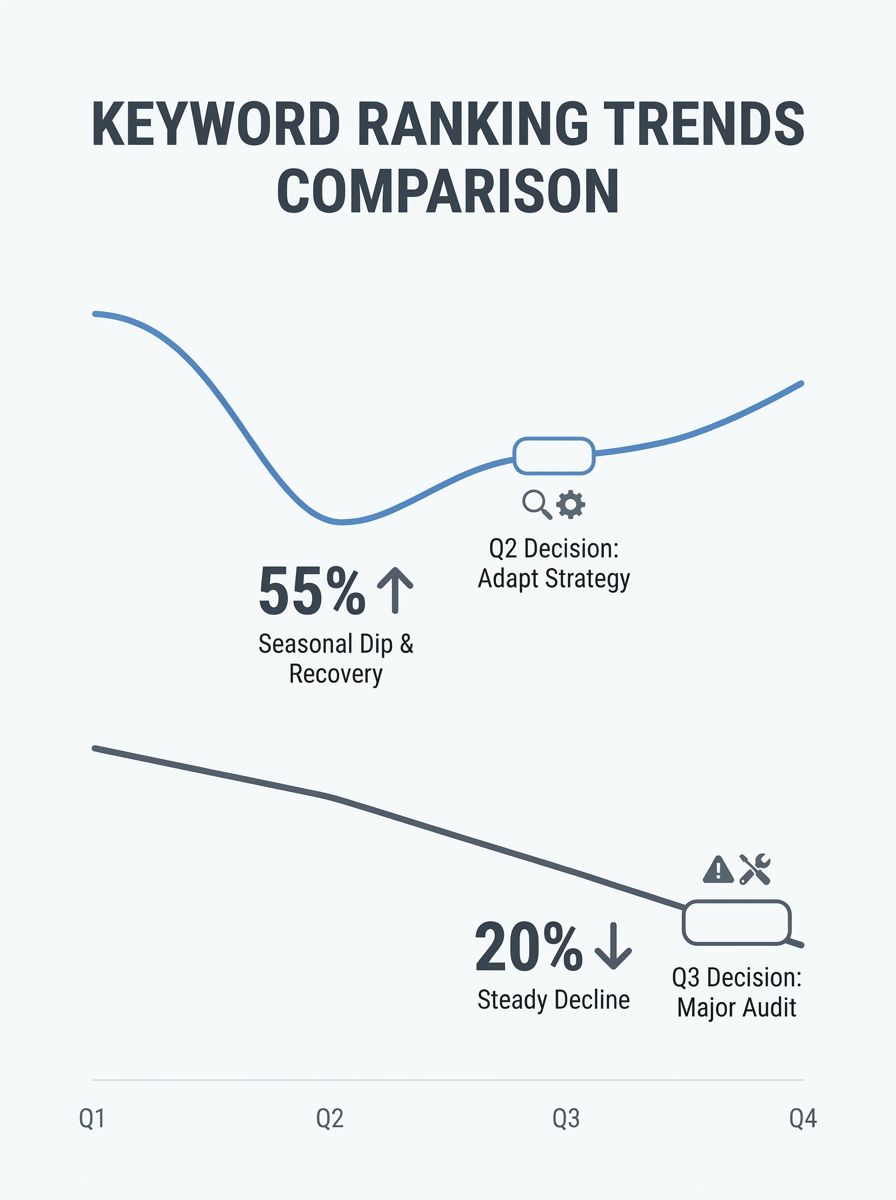
When organic traffic drops 30% over two weeks, the first instinct matters more than most practitioners admit. Some open server logs. Others fire up a crawling tool and wait for the audit report.
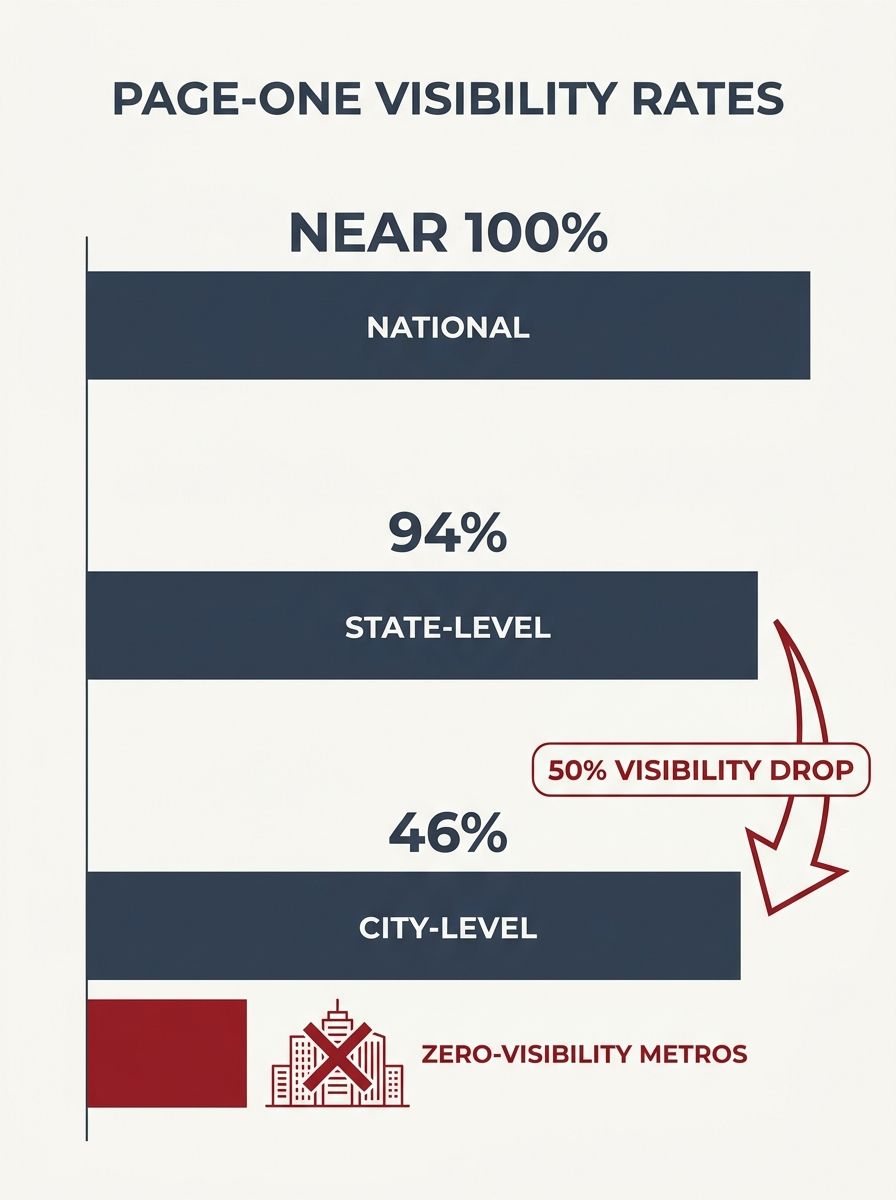
New York City, Seattle, and Billings, Montana returned zero page-one organic visibility for geo-modified queries in a Go Fish Digital analysis of 100 SERPs across all 50 U.S. states, regardless of how granular the location targeting was.
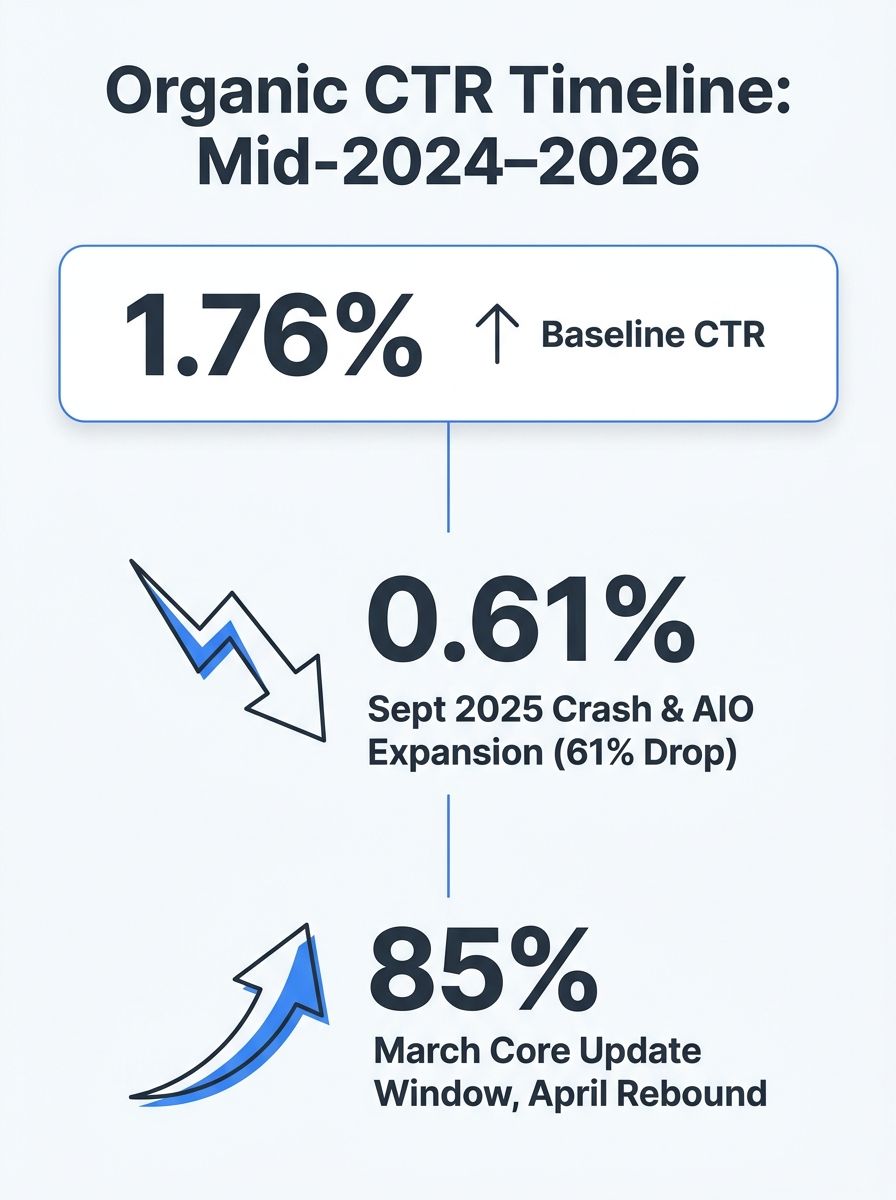
Seer Interactive published its latest AIO impact report yesterday, and the headline number reverses eighteen months of bad news: organic CTR on queries where AI Overviews appear rebounded 85% over a two-month window.
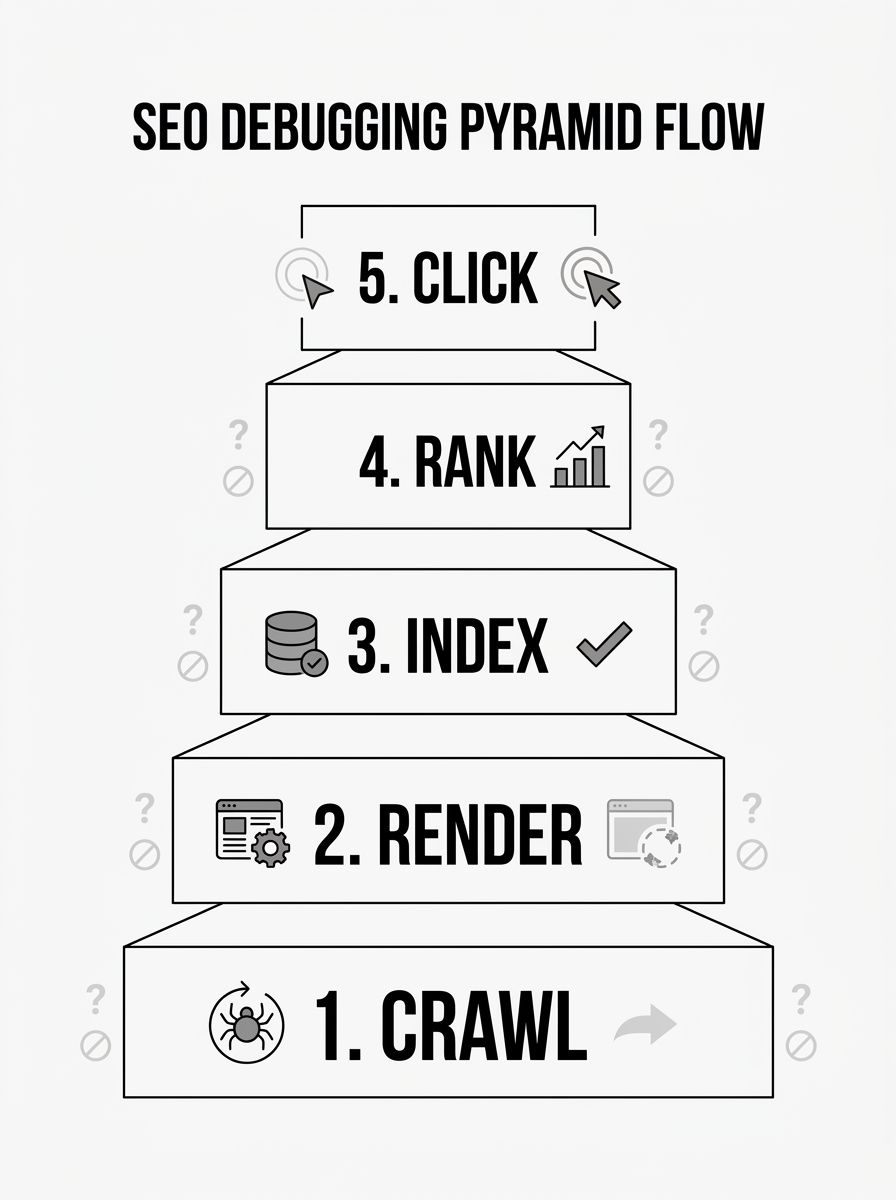
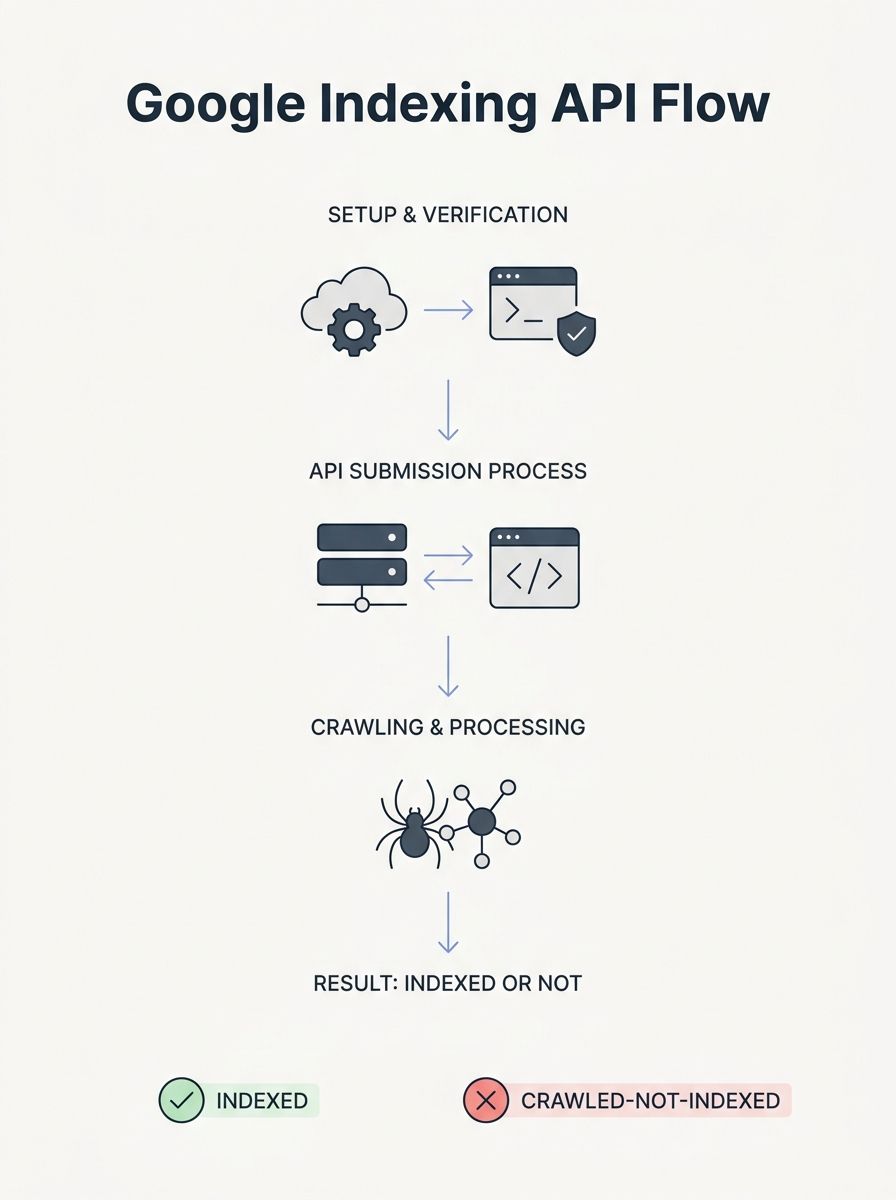
Pushing URLs through indexing APIs doesn't fix indexing problems, and building your SEO automation stack as though it does will waste months of engineering time.
One site's Search Console performance report showed impressions climbing 27.56% year-over-year while clicks fell 36.18%, and CTR dropped from 5.98% to 3.35%—all while average rankings improved by 14.01%.
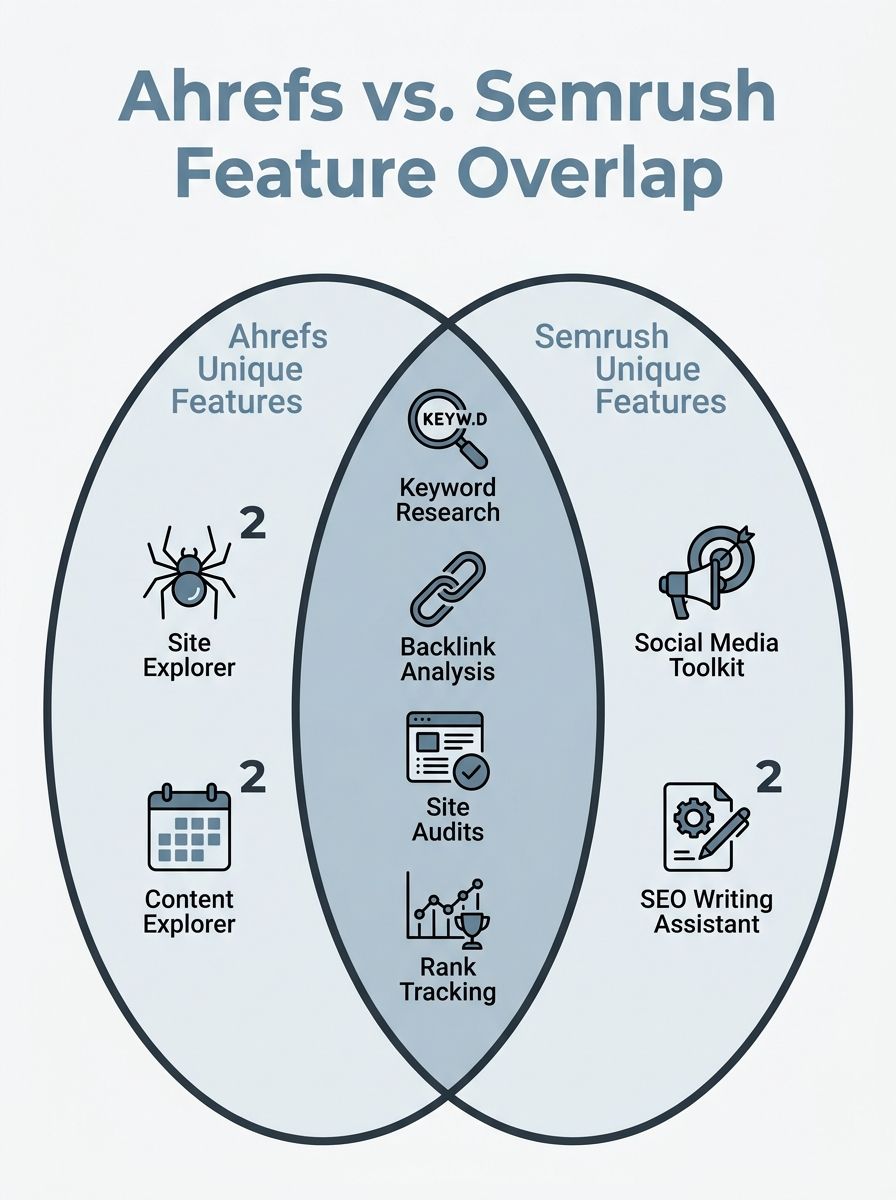
Seventy percent of what Ahrefs does, Semrush also does, and vice versa. The keyword databases differ at the margins, the backlink indexes vary by a few percentage points in coverage, and each platform has a handful of proprietary features the other lacks.
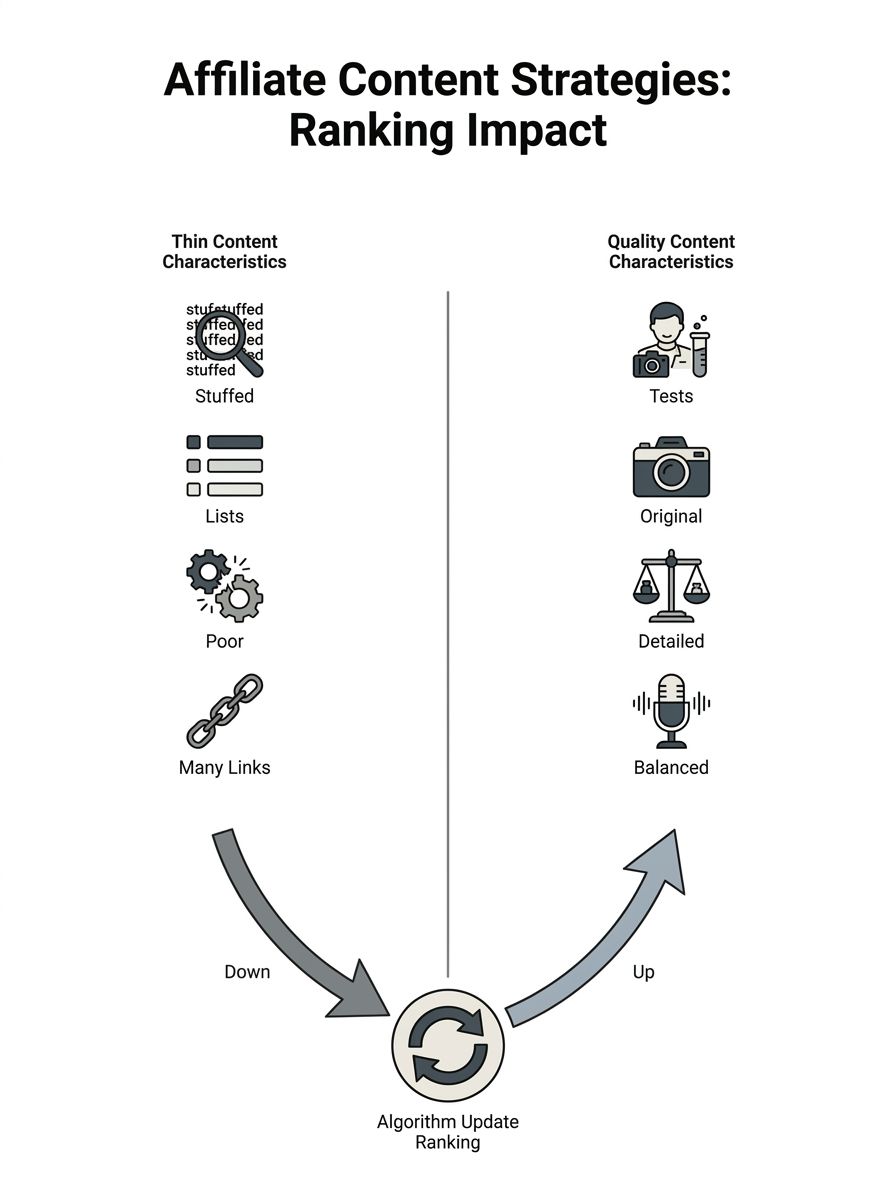
Adding rel="sponsored" to every affiliate link on your site will do almost nothing to protect your rankings if the underlying content is thin. The attribute matters. Google introduced it specifically for paid placements and compensation agreements.
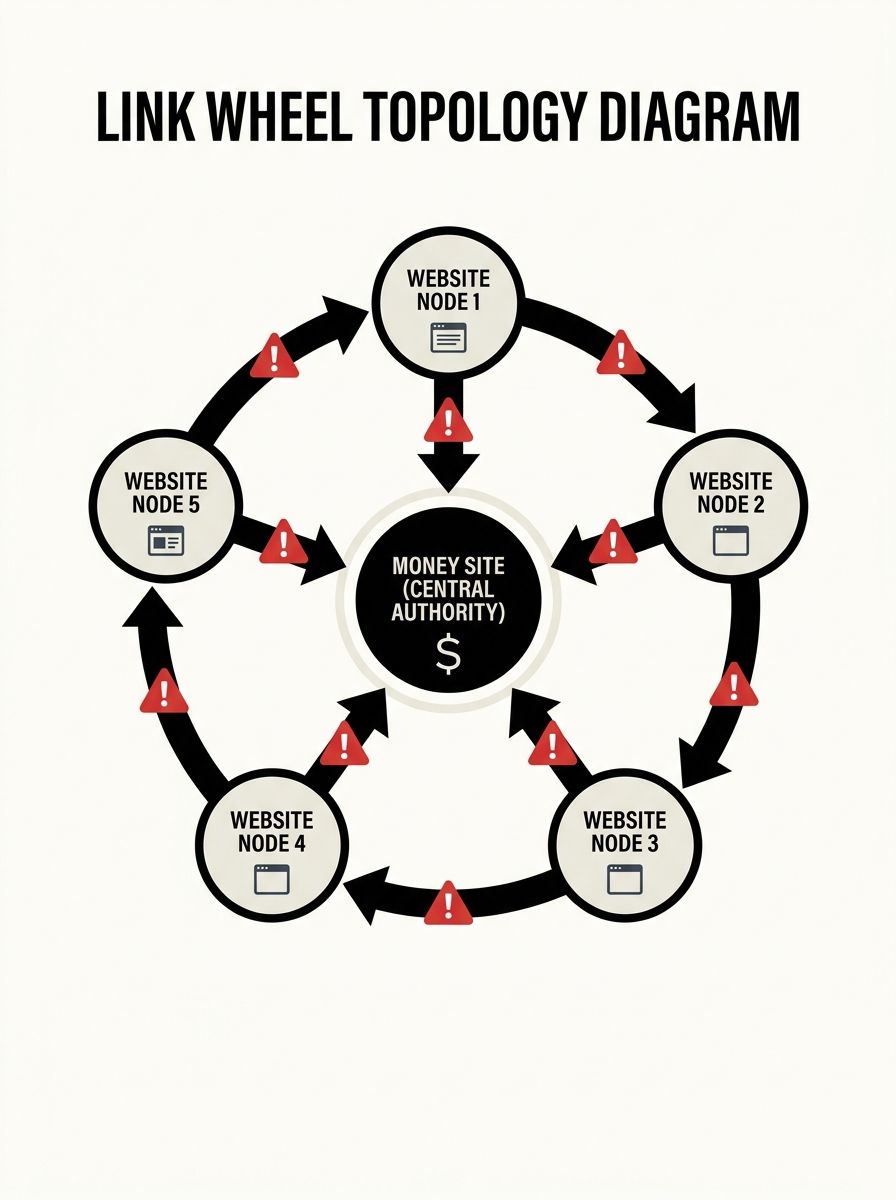
Five domains, each linking to the next in a closed loop, with every site in the chain also pointing a link at one central "money site." That's the basic topology of a link wheel, and Google has been identifying and penalizing this structure for over a decade.
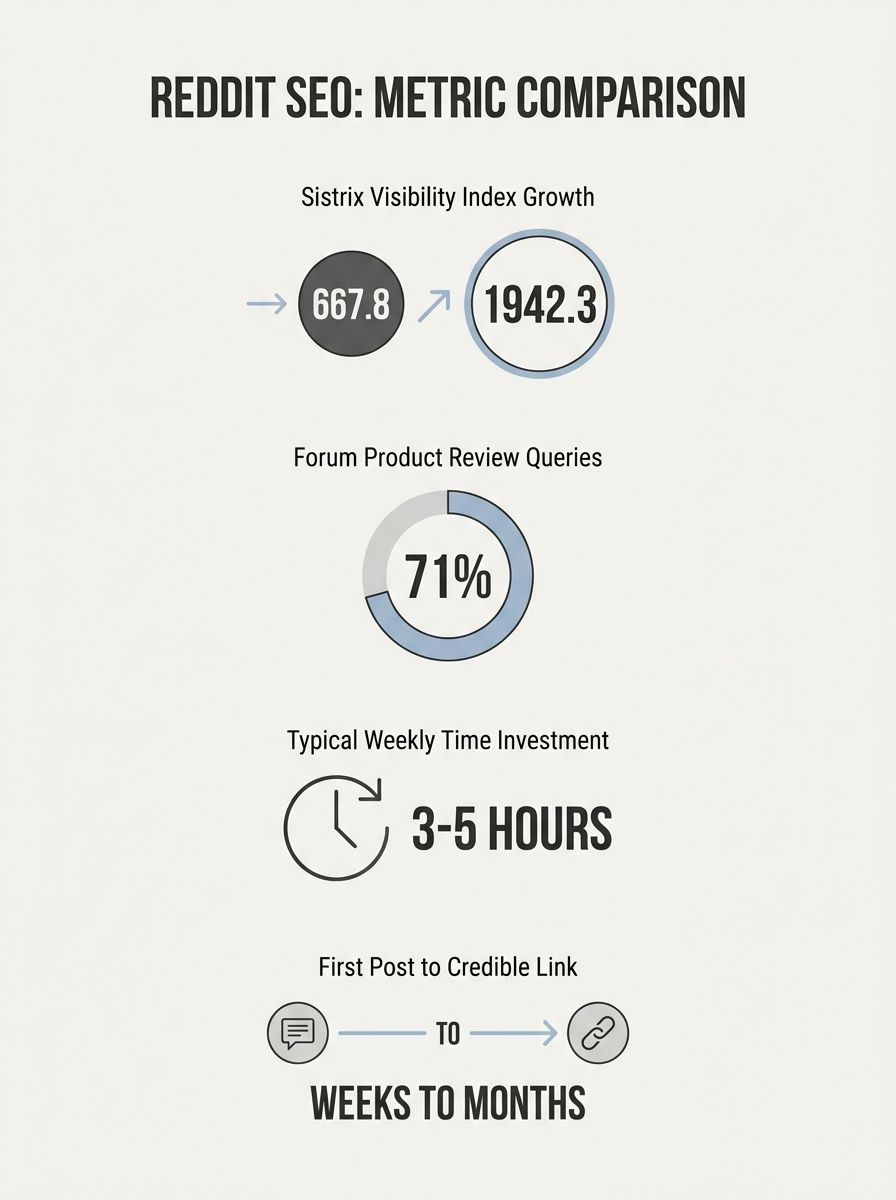
Reddit's Sistrix Visibility Index climbed from 667.8 to 1,942.3 during 2024, a 190% increase that turned the platform into one of Google's most visible organic properties. Forum content now appears in over 71% of product review search queries.