Why Your Link Building Outreach Gets Ignored: 6 Fixable Mistakes Killing Your Response Rate
Sending more outreach emails will make your link outreach response rate worse.
63 articles· Ethical, white-hat, organic SEO
Sending more outreach emails will make your link outreach response rate worse.
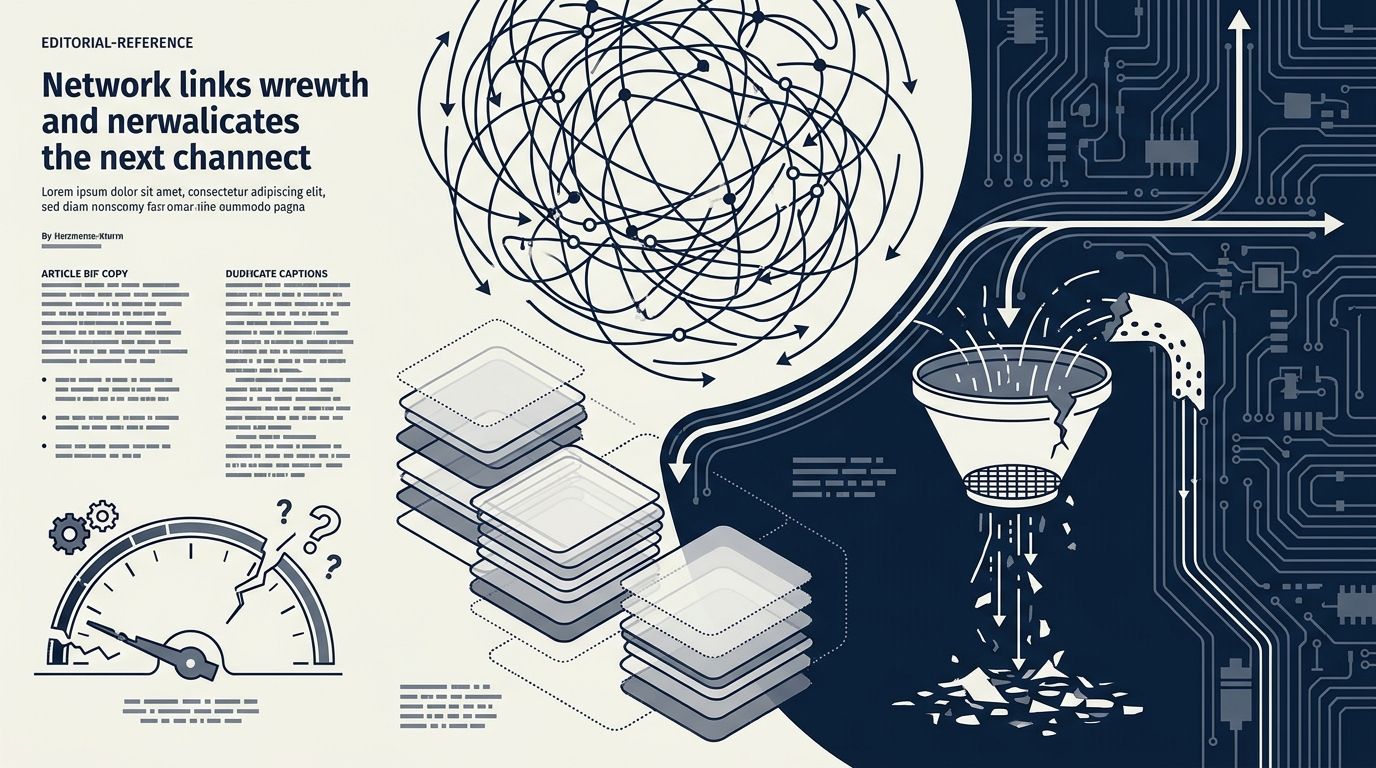
Audits across more than 1,000 brand websites consistently rank rel canonical misconfiguration among the top 10 technical SEO issues that erode rankings. These errors fragment link equity, waste crawl budget on duplicate URLs, and suppress pages from Google's index without any visible warning.
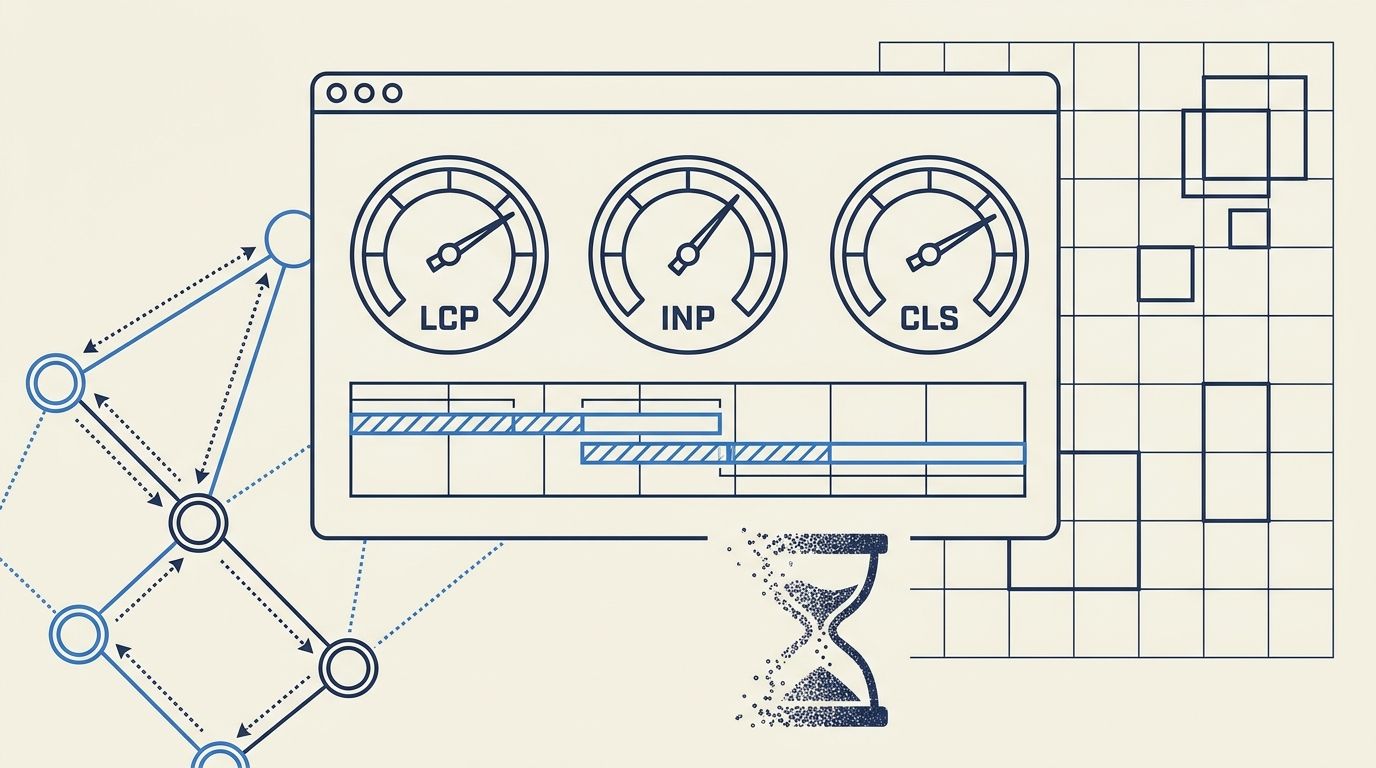
LCP, INP, and CLS each target a different dimension of page experience (loading speed, interactivity, visual stability), but they share almost nothing in how they collect data, when they fire, or what browser events they observe.
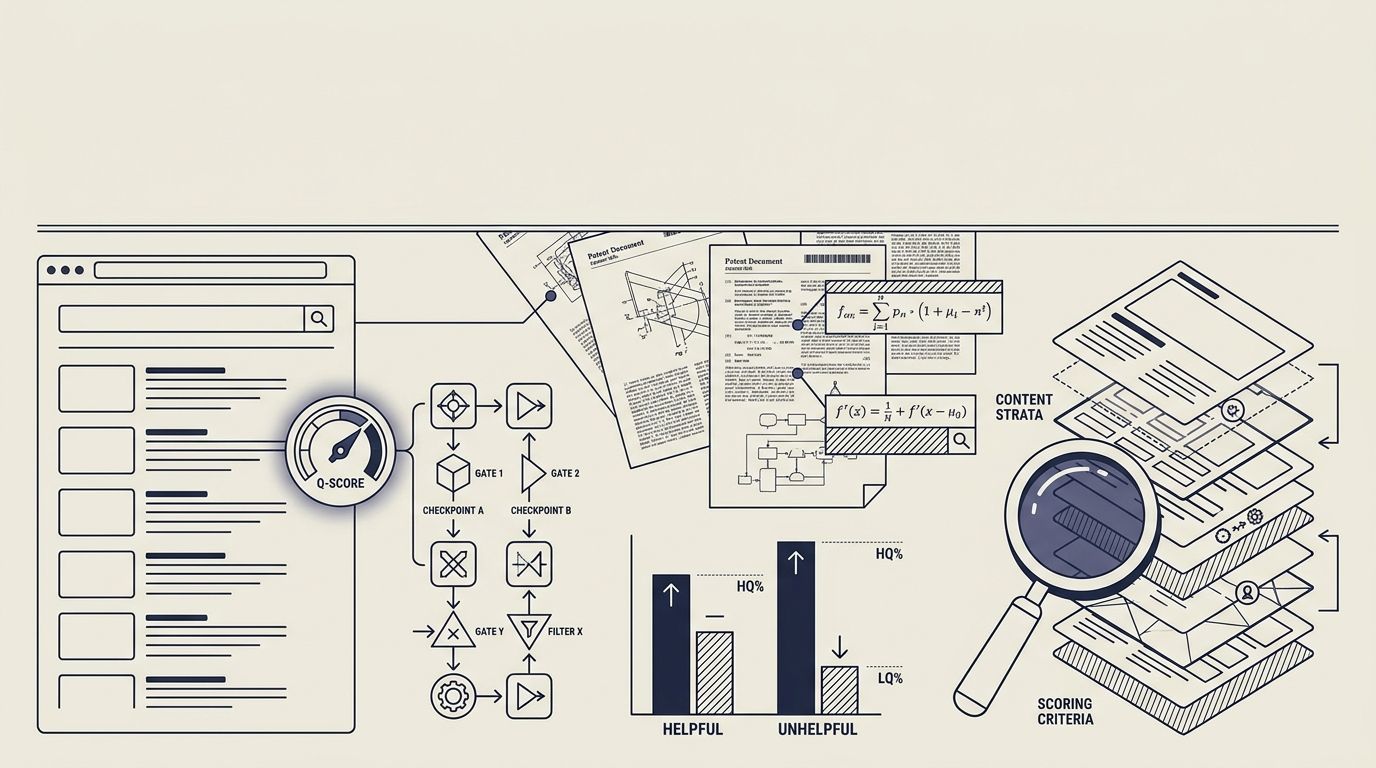
Google's helpful content system doesn't give pages a single numeric score. It uses machine-learning classifiers trained on human rater feedback, patent-documented signals, and site-level engagement data to sort content into quality tiers.
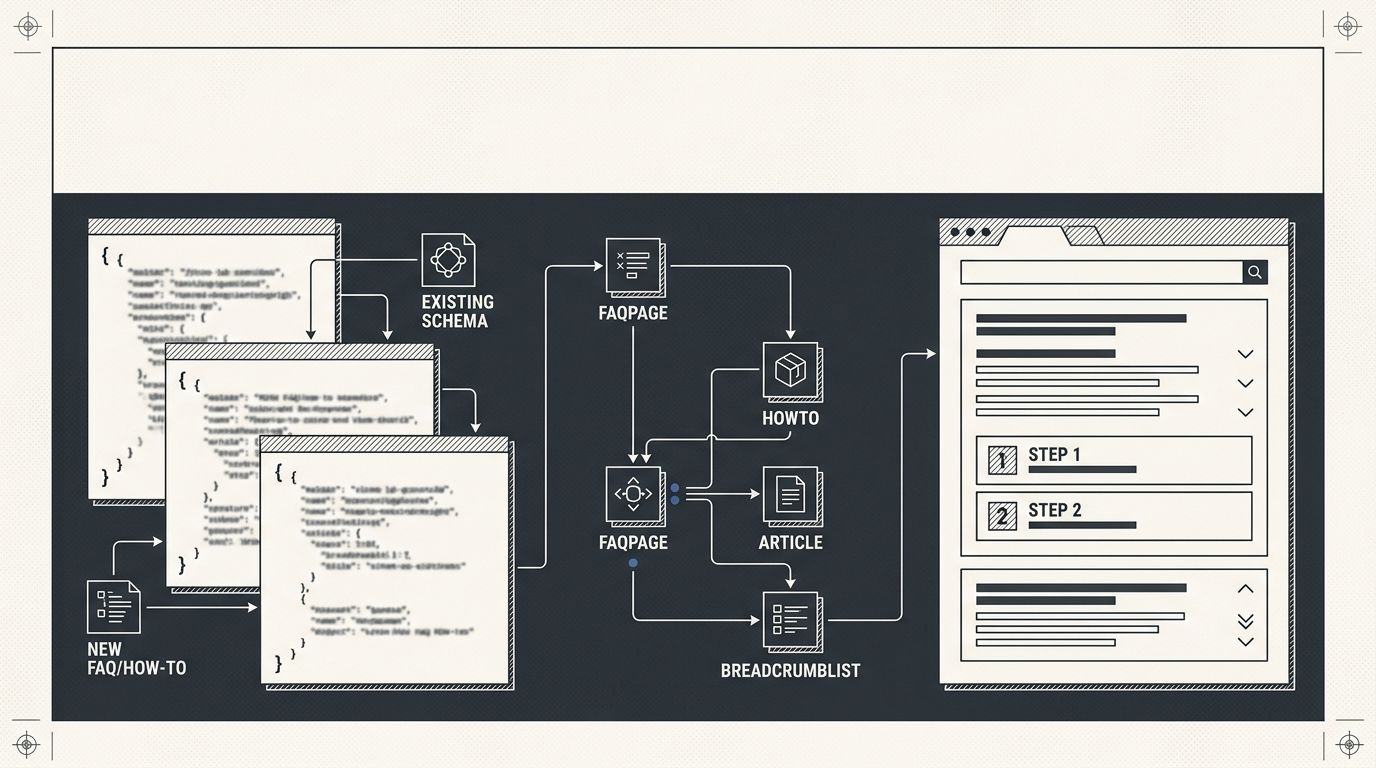
Google retired FAQ rich results on May 7, 2026, removing the expandable accordion from search listings. FAQPage schema still functions for Bing, Perplexity, and AI extraction. HowTo structured data retains full Google rich result eligibility.
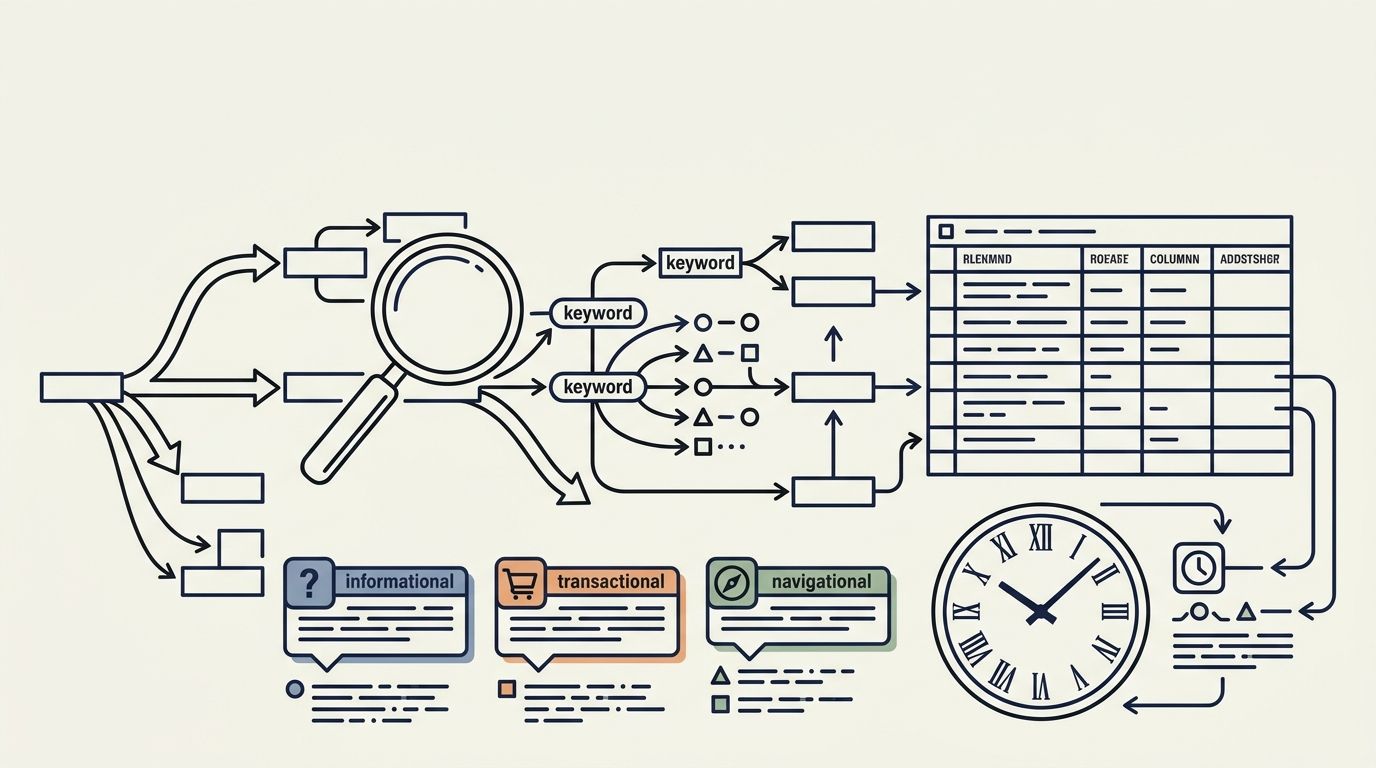
The deliverable is a single spreadsheet with four columns: URL, primary keyword, classified intent, and a match/mismatch flag.
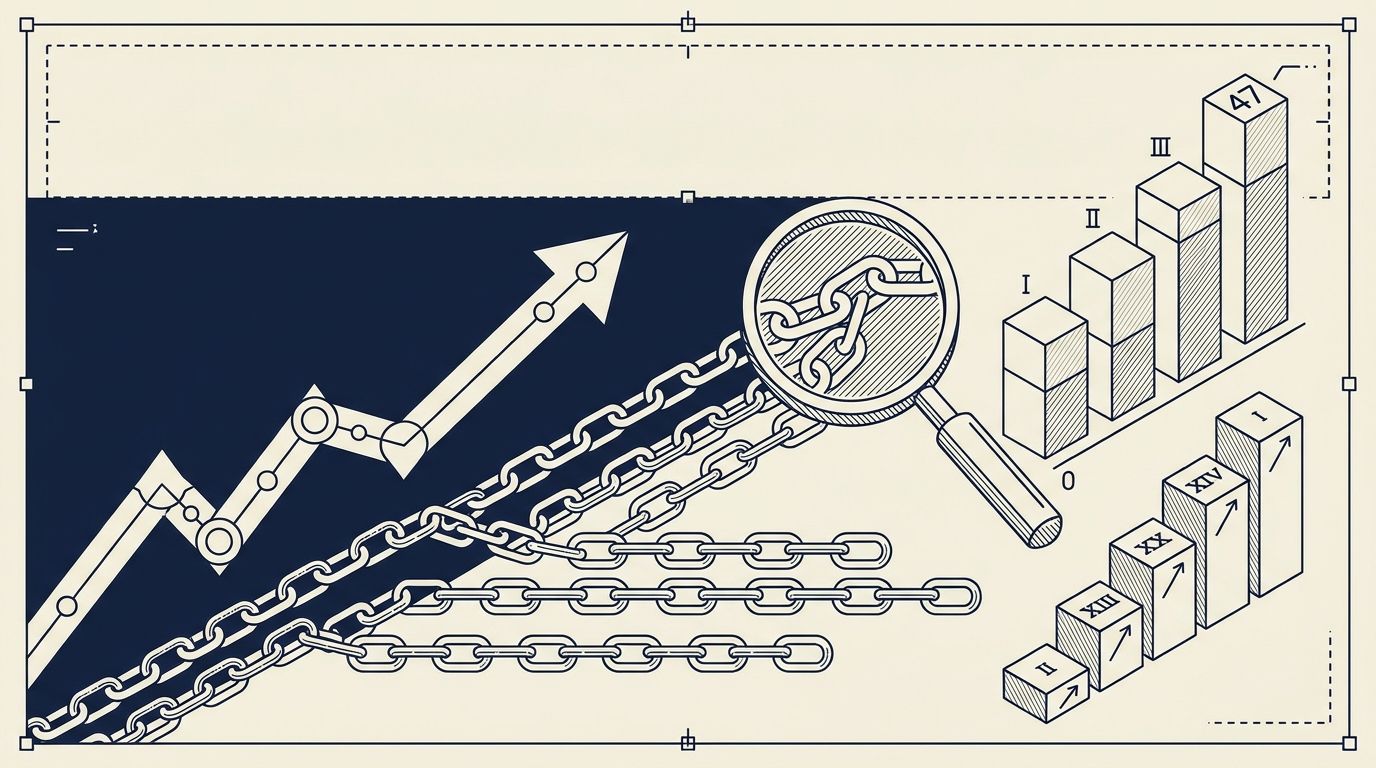
Three white-hat link building methods account for the vast majority of referring domain growth in campaigns that start from zero: original research assets, HARO-style journalist matching, and guest content contributions.
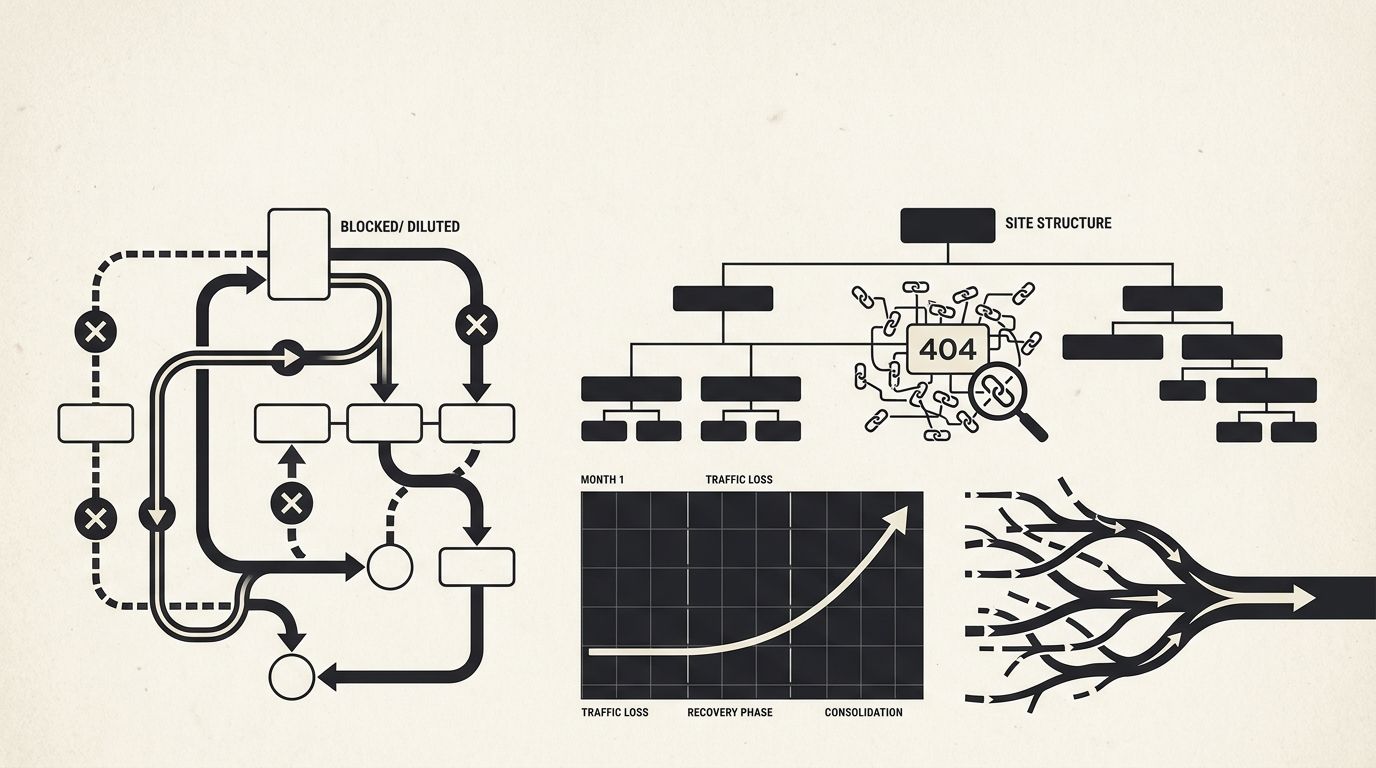
Every internal link on a page splits that page's accumulated PageRank among all outgoing targets. When a 14-page service site carries more links in its footer and navigation than it has indexable URLs, each money page starves for authority.
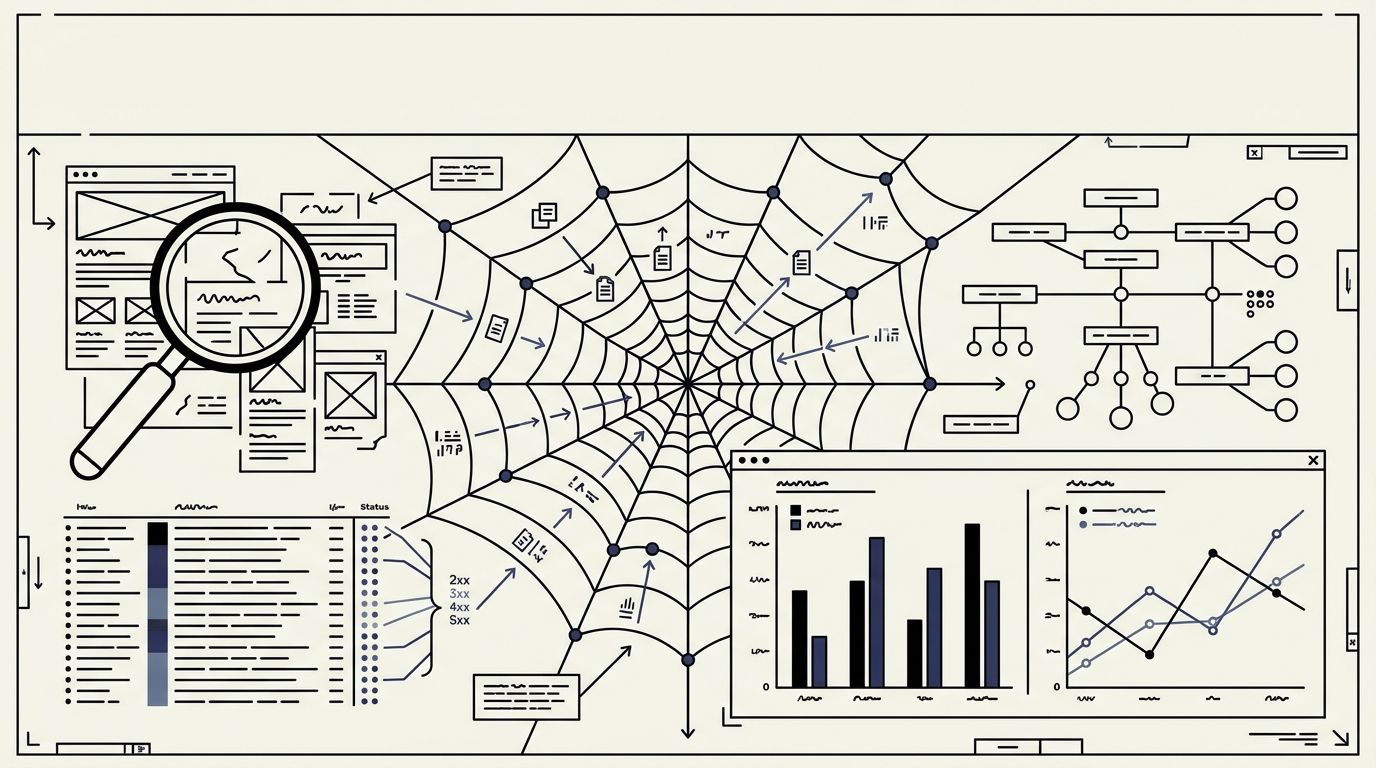
Screaming Frog's annual license costs £259 for unlimited URL crawling on a single desktop. Sitebulb Lite starts at £11 per month with tiered URL caps.
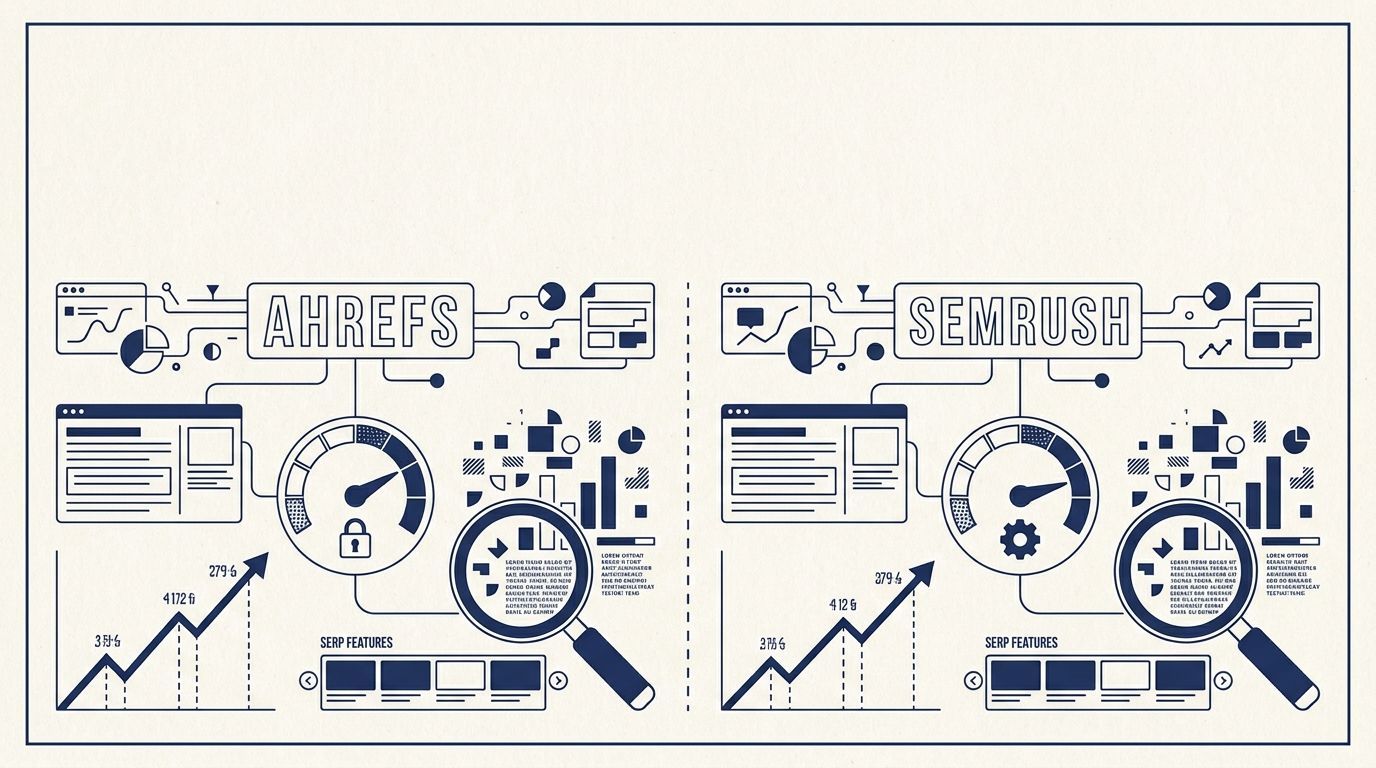
Ahrefs and Semrush pull keyword data from fundamentally different pipelines — different crawlers, different clickstream providers, different difficulty algorithms.
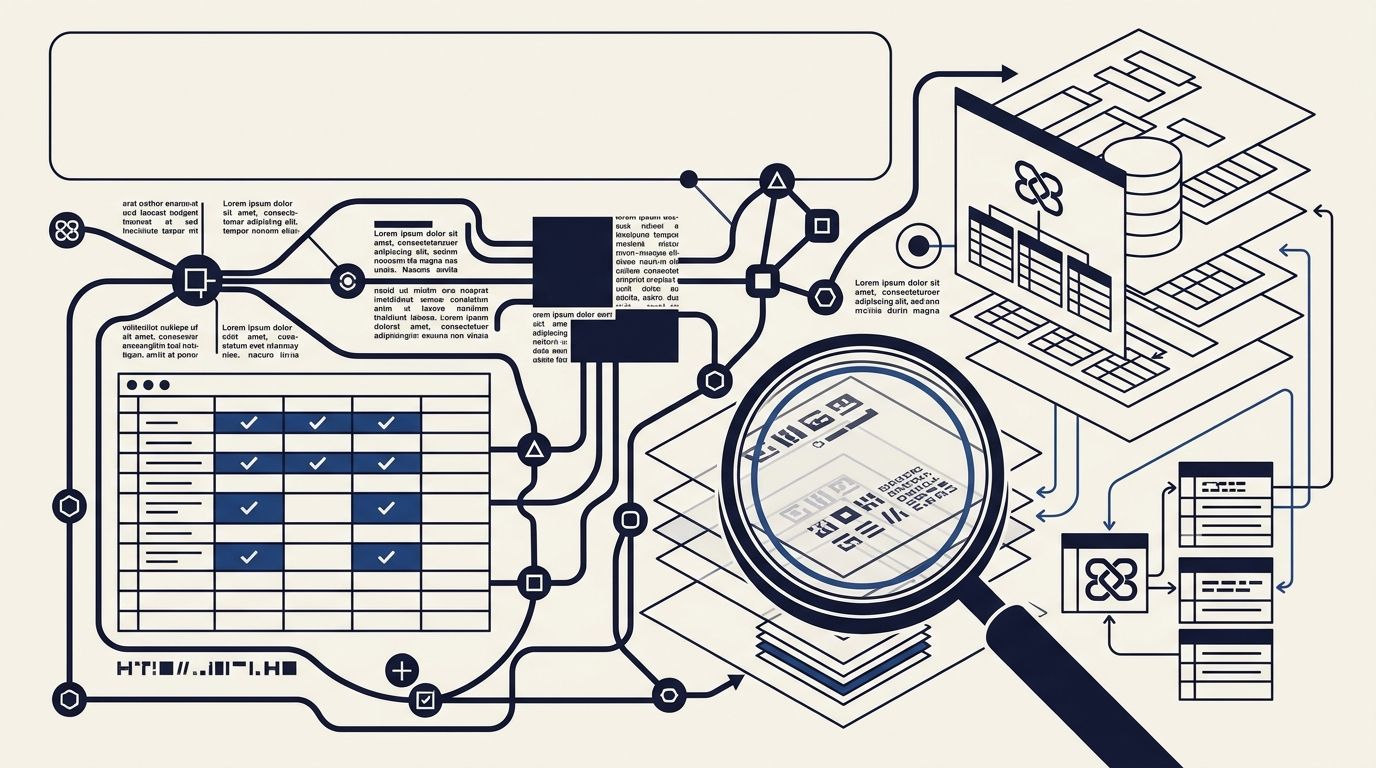
Entity consistency SEO is the practice of naming, describing, and marking up every person, organization, product, or concept identically across every page, schema block, and social profile your brand controls.
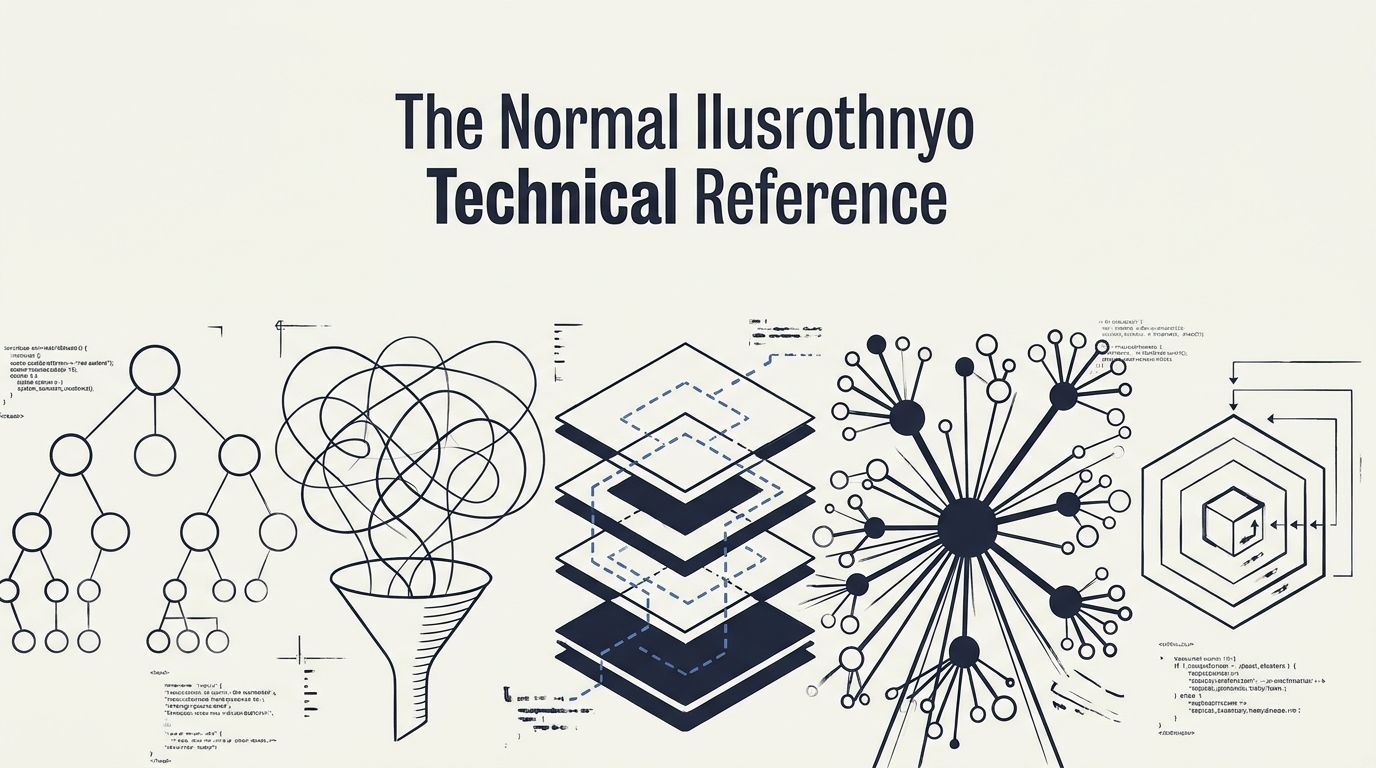
Site architecture is the hierarchical organization of URLs, navigation paths, and internal links that determines which pages search engines discover first, crawl most often, and rank highest. When this structure breaks down, even well-written content sits unindexed and invisible.